Space & Science

News and insights from NASA, ESA, and the frontier of space exploration and scientific discovery.

GettyImages 685027551 1152x648 1

Achieving lasting remission for HIV

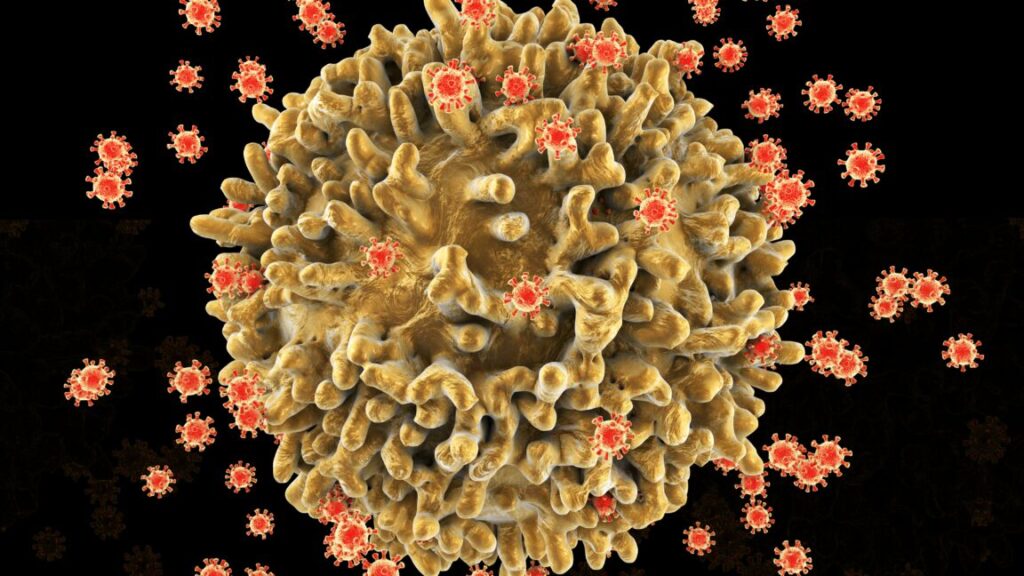
A particularly promising finding of the RIO trial was that the antibodies also affected dormant HIV hiding out in some cells. These reservoirs are how the virus rebounds when people stop treatment, and antibodies aren’t thought to touch them. Researchers speculate that the T cells boosted by the antibodies can recognize and kill latently infected cells that display even trace amounts of HIV on their surface.
The FRESH intervention, meanwhile, targeted the stubborn HIV reservoirs more directly through incorporating another drug, called vesatolimod. It’s designed to stimulate immune cells to respond to the HIV threat, and hopefully to “shock” dormant HIV particles out of hiding. Once that happens, the immune system, with the help of the antibodies, can recognize and kill them.
The results of FRESH are exciting, Ndung’u says, “because it might indicate that this regimen worked, to an extent. Because this was a small study, it’s difficult to, obviously, make very hard conclusions.” His team is still investigating the data.
Once he secures funding, Ndung’u aims to run a larger South Africa-based trial including chronically infected individuals. Fidler’s team, meanwhile, is recruiting for a third arm of RIO to try to determine whether pausing antiretroviral treatment for longer before administering the antibodies prompts a stronger immune response.
A related UK-based trial, called AbVax, will add a T-cell-stimulating drug to the mix to see whether it enhances the long-lasting, vaccine-like effect of the antibodies. “It could be that combining different approaches enhances different bits of the immune system, and that’s the way forward,” says Fidler, who is a co-principal investigator on that study.
For now, Fidler and Ndung’u will continue to track the virally suppressed participants — who, for the first time since they received their HIV diagnoses, are living free from the demands of daily treatment.
This story originally appeared at Knowable Magazine. 

Achieving lasting remission for HIV Read More »

IRIDE s Eaglet II satellites launched from Vandenberg pillars

Italian mission adds to growing IRIDE space fleet

Applications

29/11/2025
199 views
2 likes

The Italian programme IRIDE, which provides public sector services based on data from its fleet of Earth observation constellations, has added eight satellites to its second constellation, Eaglet II.

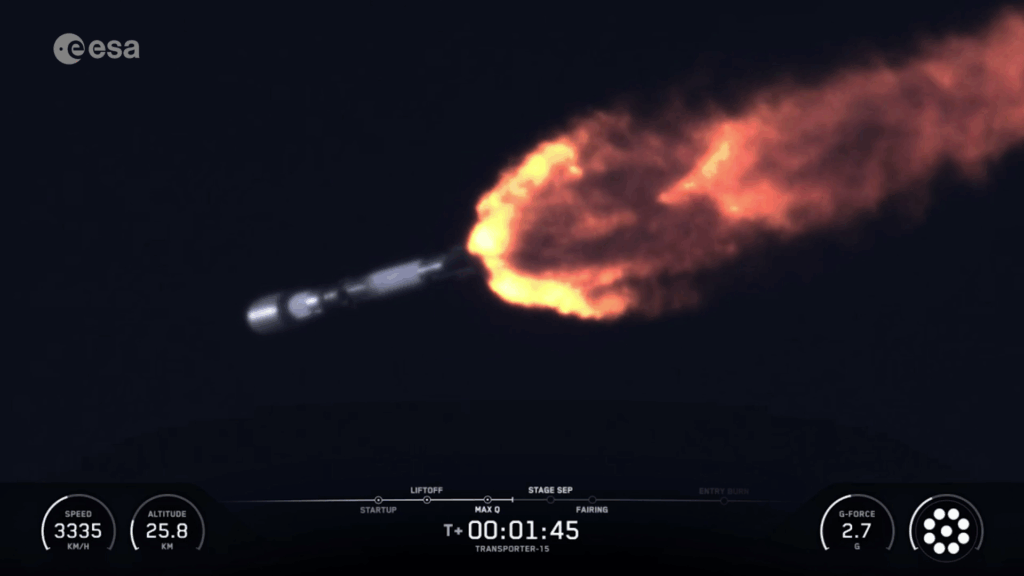
The Eaglet II satellites lifted off on board a Falcon 9 rocket at 19:44 CET (10:44 local time), 28 November, from Vandenberg Space Force Base in California, US. All satellites were placed into orbit about one hour after launch. Acquisition of signal for all satellites was confirmed several hours later by OHB’s Mission Control Centre in Rome.

Eaglet II satellites join IRIDE constellation

The launch was a rideshare carrying numerous other satellites into orbit, including HydroGNSS (ESA’s first Scout mission under its FutureEO programme) and two ICEYE satellites for Greece.Data from the IRIDE satellites, of which there are now 16 in orbit, will support products such as maps, monitoring services and multi-temporal analysis. The programme provides services to Italy’s public authorities and supports Italy’s civil protection department. It also provides analytical data for startups, small and medium-sized enterprises and industry sectors.

Eaglet II

IRIDE’s Eaglet II satellites launched from Vandenberg

Each satellite in the Eaglet II constellation carries a multispectral, high-resolution optical instrument, as well as an Automatic Identification System (AIS) instrument. OHB Italia is the prime contractor for the satellite.They will orbit at an altitude between 467 km and 625 km above Earth’s surface and provide images with ground resolution of about 2 m.The mission life for the Eaglet II constellation is about three years and, when complete, it will consist of 24 satellites. Each satellite is the size of a domestic microwave oven and weighs about 25 kg.Eaglet II is the second of six constellations for IRIDE. The first, Hawk for Earth Observation (HEO) was launched earlier this year.A further four constellations will be launched as part of the IRIDE programme with a total of 68 satellites under development. The other IRIDE satellites will be launched in a staggered approach achieving full deployment by 2027.

Eyes in the sky for Italy

IRIDE adds to growing Earth observation fleet

The IRIDE Earth observation system is an initiative by the Italian government to deliver comprehensive satellite data to support the monitoring of a range of phenomena – including ground motion, land cover, water resources, coastal areas and more. The satellite images and information are used in applications and services to support public authorities in making decisions based on data from space, providing information for a wide range of environmental, emergency and security services for Italy.While the name IRIDE stands for ‘International Report for an Innovative Defence of Earth’, the word ‘iride’ also means ‘iris’ in Italian, reflecting the observational nature of this mission, which carries advanced optical instruments, as well as radar sensors.Coordinated by ESA with support from the Italian Space Agency (ASI), the IRIDE programme is an ambitious space initiative funded by Italy’s National Recovery and Resilience Plan (PNRR). The PNRR is designed to modernise and revitalise Italy’s economy in the wake of the COVID-19 pandemic.

A new milestone thanks to teamwork

Italy’s IRIDE programme prepares Eaglet II satellites

“The launch of the Eaglet II constellation represents another very important step for the IRIDE programme,” said Simonetta Cheli, ESA’s Director of Earth Observation Programmes. “The satellite data acquired by these constellations will support Italy’s monitoring and protection mechanisms as well as contributing to the management of resources and national security. Reaching this new milestone was possible thanks to the contribution of all the teams involved. In particular, I would like to congratulate OHB Italia, Optec, Aresys and all the companies involved in the creation of this constellation, as well as, of course, my team managing the programme’s implementation.”Teodoro Valente, President of the Italian Space Agency (ASI), noted, “The launch of the Eaglet II constellation also confirms the Italian space sector’s ability to meet the challenging timelines required to deploy PNRR funds. Thanks to the synergy between the European Space Agency and the Italian Space Agency, the far-sighted investments determined by the Italian government are delivering results in the form of cutting-edge technology.”Roberto Aceti, CEO of OHB Italia, said, “IRIDE represents a new approach to Earth observation: an integrated system serving citizens, institutions and the scientific community. This achievement goes beyond technology, representing the advancement of knowledge and skills that will help Europe address global challenges with greater awareness and responsibility.”

Simonetta Cheli welcomes launch of second IRIDE constellation

Like
Thank you for liking
You have already liked this page, you can only like it once!

Italian mission adds to growing IRIDE space fleet Read More »

Athens from ICEYE pillars

High-resolution radar satellites launched for Greece

Applications

29/11/2025
579 views
6 likes

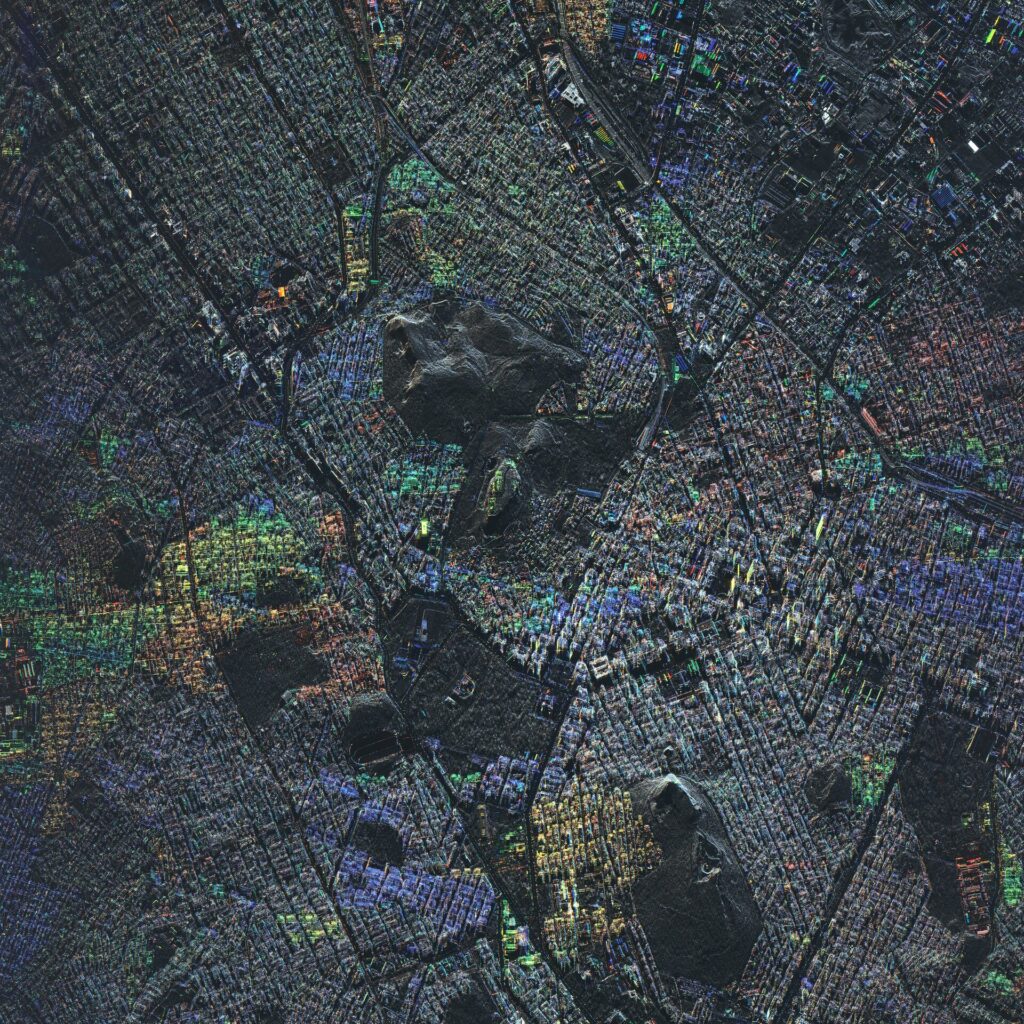
Thanks to the EU-funded Recovery and Resilience Facility, and through collaboration between the Greek government, the private satellite company ICEYE and the European Space Agency (ESA), two new high-resolution radar satellites have been launched to strengthen disaster management, environmental monitoring and national security across Greece.

The two ICEYE synthetic aperture radar satellites, integrated via Exolaunch, were lifted into orbit on 28 November 2025, aboard the SpaceX Transporter-15 rideshare mission from Vandenberg Space Force Base, California, USA – which also included two ESA HydroGNSS Scout satellites and the next batch of Italy’s IRIDE satellites.These new ICEYE satellites mark the first launch of the operational Earth observation satellites under the Greek National Small Satellite Programme, which foresees a constellation of 13 satellites, grouped into four categories based on their measurement instruments.Financed by Greece through the EU Recovery and Resilience Facility, the programme is designed to advance Greece’s satellite technology and application capabilities, promote job creation and economic growth, and strengthen the country’s capacity for disaster management, continuous environmental monitoring and national security.

An ICEYE satellite

While the Hellenic Space Center and the Greek Ministry of Digital Governance lead the project, ESA provides the overarching framework and supports ICEYE’s development of both satellites.Through this role, ESA ensures that such national initiatives contribute to, and benefit from, a unified system for Earth observation data exchange among its Member States.The two new ICEYE satellites, which each weigh around 120 kg, use X-band in several observation modes to provide day-and-night high-resolution images, up to 25 cm resolution.Information from the two satellites will enhance Greece’s capabilities in disaster management and national security. They will enable faster response times and more effective management of natural disasters such as floods, wildfires and landslides.Greece has an agreement with ICEYE under which the satellites will be operated in orbit by ICEYE. Through this partnership, Greece also gains access to ICEYE’s existing synthetic aperture radar satellite constellation – the largest of its kind in the world – enabling the country to monitor its areas of interest while developing its own space capabilities.ESA’s Director of Earth Observation Programmes, Simonetta Cheli, said, “The selection of ICEYE to develop the synthetic aperture radar satellites for Greece underlines ESA’s ongoing commitment to supporting national space initiatives from its Member States.

Athens from ICEYE

“And, speaking of national space initiatives, the next batch of IRIDE satellites for Italy were also launched on the same rocket. This approach also showcases ESA’s distinctive role in maximising the shared benefits of such programmes through a unified framework for Earth observation data exchange.“The inclusion of ICEYE’s X-band synthetic aperture radar capability in the Greek National Small Satellite Programme is a compelling example of how space technologies translate into tangible and vital benefits on Earth.”Greece’s Minister of Digital Governance and AI, Dimitrios Papastergiou, said, “The launch of the two ICEYE satellites marks a significant step forward for Greece’s ability to monitor and protect key areas of interest, both on land and at sea, in day and night and under any weather conditions. They will not only strengthen our disaster response capabilities but will also drive innovation within the Greek space sector.”

Next year, an additional eleven operational Earth observation satellites will join the constellation under the Greek National Small Satellite Programme, further enhancing Greece’s Earth observation and space monitoring capabilities.This expansion will include four thermal-infrared satellites developed by OroraTech, designed to detect heat signatures and monitor wildfires and thermal activity, along with seven high-resolution optical satellites developed by Open Cosmos, providing detailed imagery to support environmental monitoring, agriculture and urban planning.

Like
Thank you for liking
You have already liked this page, you can only like it once!

High-resolution radar satellites launched for Greece Read More »

HydroGNSS launched to scout for water pillars

ESA’s HydroGNSS mission launched to ‘scout’ for water

Applications

28/11/2025
323 views
4 likes

The European Space Agency’s first Scout mission, HydroGNSS, was launched today, 28 November, marking a significant step in advancing global understanding of water availability and the effects of climate change on Earth’s water cycle.The two twin HydroGNSS satellites were carried into orbit at 19:44 CET aboard a SpaceX Falcon 9 rocket, as part of the Transporter-15 rideshare flight from the Vandenberg Space Force Base in California.

Less than 90 minutes after liftoff, the two satellites separated from the rocket. Then, at 22:45 CET, Surrey Satellite Technology Ltd (SSTL) in the UK confirmed that they had received signals, indicating that both satellites were safely in orbit around Earth.

HydroGNSS deploys solar panels

Both satellites will use an innovative technique called Global Navigation Satellite System (GNSS) reflectometry to quite literally ‘scout for water’.This process involves the HydroGNSS satellites capturing L-band signals from navigation systems such as GPS and Galileo. These navigation satellites transmit L-band microwave signals that change when they are reflected off Earth’s surface.The HydroGNSS satellites will compare these reflected signals with the signals the satellites receive directly from the GNSS satellites to reveal valuable information about the properties related to the water cycle, and more.

HydroGNSS uses GNSS reflectometry to ‘scout’ for water

To do this, each HydroGNSS satellite carries a delay doppler mapping receiver. This consists of two antennas: a zenith antenna, which tracks direct GNSS signals and a nadir antenna, which collects reflected signals and processes them into delay Doppler maps.Using this technique, these two small satellites, which orbit Earth 180 degrees apart, will measure soil moisture, freeze–thaw state, inundation and above-ground biomass.These data will not only be vital for advancing our understanding of Earth’s water cycle, but also for supporting applications such as flood prediction and agricultural planning.Also, by observing the extent of inundation and areas of wetland, HydroGNSS will help reveal wetlands – important ecosystems that can act as significant sources of methane – often hidden beneath forest canopies.Information on freeze–thaw states will provide insight into the surface radiation balance, energy and carbon exchanges with the atmosphere, and the behaviour of subsurface permafrost in high latitudes.Meanwhile, data on above-ground biomass will contribute to estimates of forest carbon stocks and their role in the global carbon cycle.

HydroGNSS satellite: Scouting for water

Drawing inspiration from the spirit of New Space, the Scouts champion agility and innovation – harnessing small, smart satellites to shrink proven technologies or test bold new ways of observing our planet.Each mission races from concept to launch in just three years, on a lean budget of €35 million that covers everything from design and construction to in-orbit operations.ESA’s Director of Earth Observation Programmes, Simonetta Cheli, said, “As the first of ESA’s Scout missions to launch, HydroGNSS marks an important milestone for this new family of rapid, low-cost Earth observation missions, and we extend our thanks to the mission’s prime contractor, SSTL.“The launch also represents a key step in the evolution of our FutureEO programme, where the Scouts embody a fast, agile, innovative and cost-efficient approach – complementing our larger Earth Explorer research missions.“We now look forward to seeing how HydroGNSS will employ GNSS reflectometry to deliver valuable insights into key hydrological variables that shape Earth’s water cycle.”ESA’s prime contractor for the HydroGNSS mission is SSTL in the UK. SSTL is also responsible for operating the satellites in orbit and for distributing the data. The mission is also thanks to partial funding from the UK Space Agency.

ESA’s HydroGNSS mission lifts off

National missions also launchedThe SpaceX’s Transporter-15 rideshare flight also carried the next batch of IRIDE satellites, Eaglet-II, for Italy and two ICEYE satellites for Greece. Both of these national missions have been developed with the involvement of ESA.IRIDE is a national initiative led by the Italian government and coordinated by ESA, with the support of the Italian Space Agency (ASI). The mission comprises Earth observation constellations that deliver satellite data to support the monitoring of ground motion, land cover, water resources, coastal zones and other environmental factors. IRIDE provides services for Italy’s public authorities and contributes directly to the country’s Civil Protection Department.The two new high-resolution ICEYE radar satellites are the first to launch under the Greek National Small Satellite Programme. This programme, which will also include other types of satellite next year, aims to enhance Greece’s satellite technology and application capabilities, foster innovation and job creation, drive economic growth, and strengthen national capacities in disaster management, environmental monitoring, and security. The project is led by the Hellenic Space Center and the Greek Ministry of Digital Governance, with ESA providing the overarching framework and supporting ICEYE in developing both satellites.Both missions are funded through the EU Recovery and Resilience Facility.

Like
Thank you for liking
You have already liked this page, you can only like it once!

ESA’s HydroGNSS mission launched to ‘scout’ for water Read More »

find my on apple

Find a lost phone that is off or dead

NEWYou can now listen to Fox News articles!
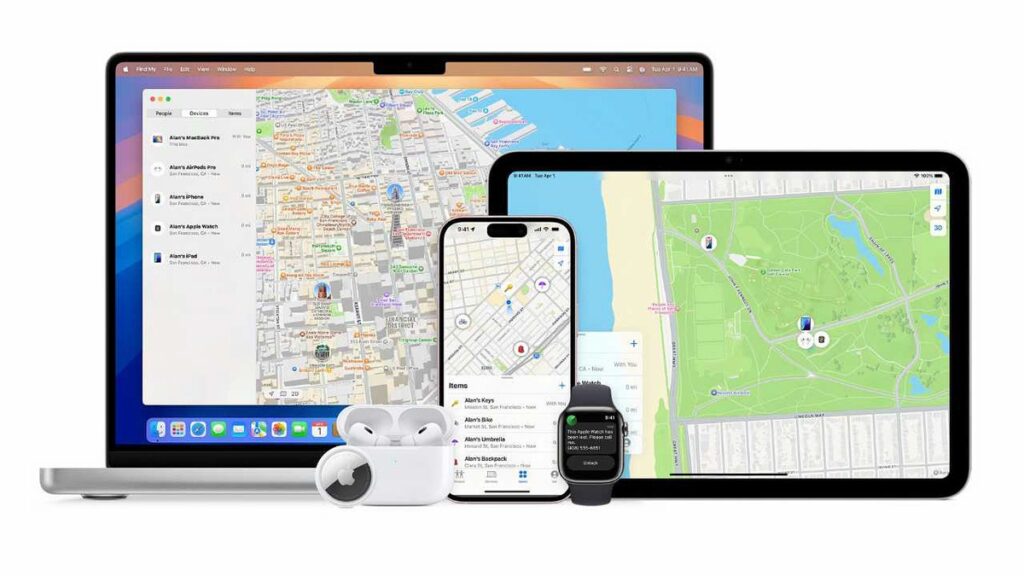
Losing your phone can leave you in panic mode, especially when the battery dies. The good news is that both Apple and Android offer built-in tools that help you track a missing device even when it is powered off or offline.With an iPhone, you can use the Find My network on another Apple device or sign in from a browser. With Android, you can use Google’s Find My Device system to see the last known location and secure your phone fast.This guide walks you through clear steps for iPhone and Android so you know exactly what to do next.Sign up for my FREE CyberGuy ReportGet my best tech tips, urgent security alerts and exclusive deals delivered straight to your inbox. Plus, you’ll get instant access to my Ultimate Scam Survival Guide — free when you join my CYBERGUY.COM newsletter.YOUR PHONE IS TRACKING YOU EVEN WHEN YOU THINK IT’S NOT You can still find your lost Apple device even when it’s dead. (Apple)Does Find My work when your iPhone is dead?Yes, it does. Your iPhone uses low power mode in the background so it stays findable for a period after powering off. If other Apple devices are nearby, your phone can still send out a Bluetooth signal that helps pinpoint the last known location.You can check this location from any Apple device or a browser.Use Find My from another Apple deviceIf you have an iPad, Mac, or another iPhone, you can look up your missing device in seconds. Family Sharing works too, so you can track a shared device even if it is offline. Here is how to do it:Open the Find My appTap the Devices tabSwipe up to see your full list of devicesSelect your missing iPhoneView the location on the mapTap Directions to navigate to itTap Play Sound if the phone is on and nearby Steps to use Find My from another Apple device. (Kurt “CyberGuy” Knutsson)Turn on Lost Mode by tapping continue at the bottom of the screen to lock it and show a message with a callback number.Enter a phone number that can be used when someone finds your iPhone and wants to contact you. Then, tap Next. If the screen icon is black, the phone is dead. You will still see the last known location, so you know where to start looking. Steps to use Find My from another Apple device. (Kurt “CyberGuy” Knutsson)Find your iPhone from a web browserIf you only have access to a computer or an Android phone, use iCloud.com to locate your device. The browser version gives fewer tools, but it still shows your iPhone on the map. Follow these steps:Go to iCloud.com/findSign in with your Apple IDApprove two-factor if needed Steps to find your iPhone from a web browser. (Kurt “CyberGuy” Knutsson)Select All DevicesChoose your missing iPhone Steps to find your iPhone from a web browser. (Kurt “CyberGuy” Knutsson)Use Play Sound if the device is onTurn on Lost Mode to lock the phoneUse this method when you have no Apple hardware nearby. Steps to find your iPhone from a web browser. (Kurt “CyberGuy” Knutsson)Use the Help a Friend feature in Find MyIf you need to borrow another person’s iPhone, avoid signing in to their device directly. That triggers security checks you cannot complete without your missing phone. Instead, use Help a Friend inside the Find My app:Open Find My on your friend’s iPhoneScroll to Help a FriendSign in with your Apple IDView the last known location of your iPhoneThis tool bypasses two-factor prompts so you can get your location without any issues. Steps to use the Help a Friend feature in Find My. (Kurt “CyberGuy” Knutsson)Can you find an iPhone without Find MyIf ‘Find My’ was never enabled, you must retrace your steps. You can check ‘Your Timeline’ in Google Maps if you use that app and have location history on.Without ‘Find My,’ there is no way to remotely lock, track, or erase the device.Once you recover your phone, turn on ‘Find My’ and enable ‘Send Last Location’ so you are covered next time.Best iPhone settings to turn on before your device goes missingBefore your iPhone ever goes missing, take a minute to set up these key protections.1) Turn on Find My iPhoneThis keeps your device trackable whether it is on or off. Go to Settings, then tap your name, then click Find My, then Find My iPhone and enable it. 2) Enable Send Last LocationGo to Settings, then tap your name, then click Find My, then Find My iPhone and scroll down and enable Sent Last Location. Your phone will save its final location before the battery dies.3) Turn on Find My networkGo to Settings, tap your name, click Find My, then tap Find My iPhone and enable Find My network.This keeps your iPhone discoverable through nearby Apple devices even when it is off or offline.4) Keep two-factor authentication onGo to Settings, tap your name, tap Sign-In & Security, select Two-Factor Authentication (2FA), then tap your iPhone and make sure 2FA is turned on.This blocks anyone from accessing your Apple ID without approval.5) Use a strong passcodeGo to Settings, then tap Face ID & Passcode, then enter your current passcode.Tap Change Passcode and follow the prompts to set a unique passcode that is hard to guess.6) Add a recovery contactGo to Settings, tap your name, tap Sign-In & Security, then tap Recovery contacts. Then, click Add Recovery Contact. Add a trusted person as your recovery contact so you can verify your identity if you ever lose your iPhone. CAN’T FIND YOUR ANDROID PHONE? HERE’S WHAT TO DO TO TRACK IT DOWNHow to find an Android phone that is off or deadAndroid users can also track a missing device using Google’s Find My Device system. While you cannot see live location when the phone is powered off, you can view the last known location, lock the phone, or display a message for anyone who finds it. Here is how to track it:Find your Android from a browserSettings may vary depending on your Android phone’s manufacturer.Go to android.com/findSign in with your Google accountSelect your missing deviceView the last known location on the mapSelect Secure Device to lock it and display a callback messageSelect Play Sound if the phone is on and nearbyFind your Android from another phoneSettings may vary depending on your Android phone’s manufacturer.Download the Find My Device app on another AndroidSign in with your Google accountTap your missing phone to view its last known locationIf the phone is off or dead, the map will show its last saved location. You can still lock the device or leave a message for whoever finds it.Best Android settings to turn on before your device goes missingBefore your Android phone ever goes missing, take a minute to set up these key protections.Settings may vary depending on your Android phone’s manufacturer.1) Turn on Find My DeviceThis lets you track your phone or lock it from any browser.Go to Settings, tap Security & privacy, tap Find My Device or Device Finders and turn it on.(Names may vary by manufacturer.)2) Enable Location ServicesThis improves accuracy and helps Google save your phone’s last known location.Go to Settings, tap Location and turn on Use Location.3) Turn on Google Location HistoryThis allows Google to show past locations even when your phone is off.Go to Settings, tap Location, tap Location Services, then choose Google Location History or Google Location Sharing and turn it on.4) Add a recovery phone number or emailThis helps you verify your identity and recover your account fast.Go to Settings, tap Google, tap Manage your Google Account, then open the Security tab and add a recovery phone number or email.5) Use a strong screen lockChoose a secure lock to keep your data safe.Go to Settings, tap Security, then Screen lock, and select a PIN, pattern, or password that is hard to guess.6) Turn on “Send last location” (If available)Some Android models save the phone’s last known location before the battery dies.Go to Settings, tap Security & privacy, tap Find My Device and enable Send last location if your device supports it.Take my quiz: How safe is your online security?Think your devices and data are truly protected? Take this quick quiz to see where your digital habits stand. From passwords to Wi-Fi settings, you’ll get a personalized breakdown of what you’re doing right and what needs improvement. Take my Quiz here: Cyberguy.com CLICK HERE TO DOWNLOAD THE FOX NEWS APPKurt’s key takeawaysA dead or powered-off phone does not have to stay lost. Apple’s Find My network and Google’s Find My Device system both give you a last known location and fast tools that help you lock or secure your phone. With the right settings in place before anything happens, you can recover your device sooner and protect your personal data.What would you do first if your phone went missing today? Let us know by writing to us at Cyberguy.com.Sign up for my FREE CyberGuy ReportGet my best tech tips, urgent security alerts and exclusive deals delivered straight to your inbox. Plus, you’ll get instant access to my Ultimate Scam Survival Guide — free when you join my CYBERGUY.COM newsletter.Copyright 2025 CyberGuy.com. All rights reserved.

Find a lost phone that is off or dead Read More »

HydroGNSS launch highlights pillars

HydroGNSS launch highlights

ESA’s first Scout mission, HydroGNSS, was launched on 28 November 2025, marking a significant step in advancing global understanding of water availability and the effects of climate change on Earth’s water cycle.The two twin HydroGNSS satellites were carried into orbit aboard a SpaceX Falcon 9 rocket from the Vandenberg Space Force Base in California, US.Embracing the New Space concept, HydroGNSS is one of ESA’s new Scout missions being developed within the Earth Observation FutureEO programme.

Embed code

HydroGNSS launch highlights Read More »

pia11688orig

Newly Found Organics in Enceladus’ Plumes

Dramatic plumes, both large and small, spray water ice out from many locations along the famed tiger stripes near the south pole of Saturn’s moon Enceladus in this image released on Feb. 23, 2010. A study published in October 2025 analyzed data from NASA’s Cassini mission and found evidence of previously undetected organic compounds in a plume of ice particles like the ones seen here. The ice particles were ejected from the ocean that lies under Enceladus’ frozen shell. Researchers spotted not only molecules they’ve found before but also new ones that lay a potential path to chemical or biochemical activity.
Learn more about what they discovered.
Image credit: NASA/JPL-Caltech/Space Science Institute

Newly Found Organics in Enceladus’ Plumes Read More »

3 is it safe to unsubscribe from spam you didnt sign up for

Fox News AI Newsletter: How to stop AI from scanning your email

Gmail on a tablet. (Kurt “CyberGuy” Knutsson)NEWYou can now listen to Fox News articles!
Welcome to Fox News’ Artificial Intelligence newsletter with the latest AI technology advancements.IN TODAY’S NEWSLETTER:- How to stop Google AI from scanning your Gmail- IRS to roll out Salesforce AI agents following workforce reduction: report- AI chatbots shown effective against antisemitic conspiracies in new studyEYES OFF THE INBOX: Google shared a new update on Nov. 5, confirming that Gemini Deep Research can now use context from your Gmail, Drive and Chat. This allows the AI to pull information from your messages, attachments and stored files to support your research.‘CHANGE IS COMING’: The Internal Revenue Service (IRS) is implementing a Salesforce artificial intelligence (AI) agent program across multiple divisions in the wake of a mass workforce reduction earlier this year, according to a report.FACT CHECK TECH: AI chatbots could be one of the tools of the future for fighting hate and conspiracy theories, a new study shows. Researchers found that short dialogues with chatbots designed to engage with believers of antisemitic conspiracy theories led to measurable changes in what people believe. The image depicts Archer’s development plans for Hawthorne Airport in Los Angeles, CA. (Archer Aviation)SKY TAKEOVER: Archer Aviation, a leading developer of electric vertical takeoff and landing (eVTOL) aircraft, just made one of its boldest moves yet. The company agreed to acquire Hawthorne Airport for $126 million in cash. DIGITAL IMPOSTERS: App stores are supposed to be reliable and free of malware or fake apps, but that’s far from the truth. For every legitimate application that solves a real problem, there are dozens of knockoffs waiting to exploit brand recognition and user trust. We’ve seen it happen with games, productivity tools and entertainment apps. Now, artificial intelligence has become the latest battleground for digital impostors.AI TRANSFORMATION: HP announced Tuesday that it plans to cut between 4,000 and 6,000 employees by the end of 2028 as part of its push to adopt artificial intelligence. A lettering AI for “Artificial Intelligence” stands at the Amazon Web Services AWS stand at the Hannover Messe 2025 industrial trade fair. (Julian Stratenschulte/picture alliance via Getty Images)RACE FOR AI: Amazon Web Services (AWS) on Monday announced a plan to build and deploy purpose-built artificial intelligence (AI) and high-performance computing for the U.S. government for the first time.BREAKING CHINA: Beijing has repeatedly shown the world that it is willing to weaponize its dominance of supply chains, and President Donald Trump had to de-escalate the latest rare-earth dispute during his recent trip to Asia. But rare earths are only a small window into the power that China could have over the U.S. economy as we start adopting tomorrow’s technologies. NO RESERVATIONS: Maybe you order sparkling water, start every meal with an appetizer or prefer dining right when the restaurant opens. You might not track these habits. OpenTable might.FOLLOW FOX NEWS ON SOCIAL MEDIAFacebookInstagramYouTubeXLinkedInSIGN UP FOR OUR OTHER NEWSLETTERSFox News FirstFox News OpinionFox News LifestyleFox News HealthDOWNLOAD OUR APPSFox NewsFox BusinessFox WeatherFox SportsTubiWATCH FOX NEWS ONLINEFox News GoSTREAM FOX NATIONFox NationStay up to date on the latest AI technology advancements, and learn about the challenges and opportunities AI presents now and for the future with Fox News here.

Fox News AI Newsletter: How to stop AI from scanning your email Read More »

1 how secure is my password use this test to find out

America’s most-used password in 2025 revealed

NEWYou can now listen to Fox News articles!
Passwords play a huge role in how you stay safe online. They protect your accounts, devices and money. Still, many people pick logins that criminals can guess in seconds. The latest NordPass report shows this problem again. This year, “admin” took the top spot as the most common password in the United States.NordPass and NordStellar, two cybersecurity companies that track leaked credentials and online threats, reviewed millions of exposed passwords to spot trends. They also examined how password habits differ across generations. The pattern is clear: many of us still rely on simple words, easy number strings and familiar keyboard patterns. These choices give attackers a quick path into countless accounts.Sign up for my FREE CyberGuy ReportGet my best tech tips, urgent security alerts and exclusive deals delivered straight to your inbox. Plus, you’ll get instant access to my Ultimate Scam Survival Guide — free when you join my CYBERGUY.COM newsletter.183 MILLION EMAIL PASSWORDS LEAKED: CHECK YOURS NOW Weak passwords like “admin” give attackers a quick way into your accounts before you even realize it.  (Kurt “CyberGuy” Knutsson)Most common passwords in the United StatesNordPass shared its top 20 list for 2025. “Admin” sits at number one. Variations of the word “password” take up five spots. Number strings appear nine times. One explicit term even made the list.Here are the 20 most common passwords in the USA this year:adminpassword1234561234567812345678912345Password12345678910Gmail.12345Password1Aa123456f*******t1234567890abc123Welcome1Password1!password11234567111111123123Weak logins remain a major problem because criminals rely on automated tools. These tools try simple words and common patterns first. When millions of people reuse the same easy passwords, attackers succeed fast.HOW TO USE PASSKEYS TO KEEP YOUR COMPUTER SAFE Reusing the same login across sites makes it easy for criminals to jump from one hacked account to another. (Kurt “CyberGuy” Knutsson)Global trends show the same risky password behaviorThe United States is not alone. Globally, “123456” ranks as the most common password. “Admin” and “12345678” follow closely behind. These patterns appear because they are easy to remember. Sadly, they are also easy to crack.Researchers noticed one shift worth noting: more passwords now include special characters. The increase is sharp. However, most examples remain weak. Strings like P@ssw0rd and Abcd@1234 still follow predictable rules that tools can break with little effort.The word “password” stays popular around the world. People even use it in local languages. This shows how widespread the problem is.Why younger generations still make unsafe password choicesMany people assume younger adults understand digital safety. They grew up with phones and social media. Research shows that this assumption is wrong.NordPass found that an 18-year-old often picks the same weak password patterns as an 80-year-old. Younger users favor long number sequences. Older users lean toward names. Neither group creates secure or random strings. Generations Z and Y tend to avoid names. Generations X and older use them often. Each approach carries risk because attackers expect both patterns.AI-POWERED SCAMS TARGET KIDS WHILE PARENTS STAY SILENT Researchers found that weak and predictable passwords still appear in leaked data again and again. (Kurt “CyberGuy” Knutsson)Why weak passwords remain a big threatWeak passwords fuel data breaches and account takeovers. Criminals run scripts that check billions of combinations every second. When your password is common, they break in fast.A single stolen login can expose your email, social accounts, bank information and more. Many attacks start this way. Once criminals get inside one account, they often try the same password on others.Steps to stay safe with your passwords You can improve your digital safety with a few simple habits. These steps help block common attacks and protect your accounts.1) Create strong random passwordsPick long passwords or short passphrases. Aim for at least 20 characters. Mix letters, numbers and special characters. Avoid patterns. 2) Avoid password reuseUse a unique password for each account. If one login gets hacked, the others stay safe.3) Review and update weak passwordsCheck your old logins. Replace anything short, predictable or reused. Fresh passwords lower your risk.4) Use a password managerA password manager creates secure passwords and stores them safely. It also fills them in for you, so you do not need to remember them.Next, see if your email has been exposed in past breaches. Our No. 1 password manager pick includes a built-in breach scanner that checks whether your email address or passwords have appeared in known leaks. If you discover a match, immediately change any reused passwords and secure those accounts with new, unique credentials. Check out the best expert-reviewed password managers of 2025 at Cyberguy.com.5) Turn on multi-factor authentication (MFA)MFA adds a second check before you log in. It is one of the easiest ways to block attackers.6) Keep your software updatedUpdate your phone, computer browsers and apps on a regular schedule. These updates patch security gaps that criminals try to exploit. When you fall behind on updates, weak passwords become even riskier because attackers can pair old software flaws with easy logins.Pro Tip: Use a data removal serviceLeaked passwords often come from old profiles on data broker sites you forgot about. A data removal service can wipe your personal info from those sites and reduce how much of your data ends up on breach lists. When less of your information is floating around online, your accounts become less tempting targets.While no service can guarantee the complete removal of your data from the internet, a data removal service is really a smart choice. They aren’t cheap, and neither is your privacy. These services do all the work for you by actively monitoring and systematically erasing your personal information from hundreds of websites. It’s what gives me peace of mind and has proven to be the most effective way to erase your personal data from the internet. By limiting the information available, you reduce the risk of scammers cross-referencing data from breaches with information they might find on the dark web, making it harder for them to target you.Check out my top picks for data removal services and get a free scan to find out if your personal information is already out on the web by visiting Cyberguy.com.Get a free scan to find out if your personal information is already out on the web: Cyberguy.com.CLICK HERE TO DOWNLOAD THE FOX NEWS APPKurt’s key takeaways Weak passwords remain a huge issue in 2025, even with new tools and better education. You have the power to improve your security with a few quick changes. When you build strong habits, you make it harder for criminals to get inside your accounts. Small steps add up fast and give you far more protection online.What do you think keeps people stuck on weak passwords even when the risks are clear? Let us know by writing to us at Cyberguy.com.Sign up for my FREE CyberGuy ReportGet my best tech tips, urgent security alerts and exclusive deals delivered straight to your inbox. Plus, you’ll get instant access to my Ultimate Scam Survival Guide — free when you join my CYBERGUY.COM newsletter. Copyright 2025 CyberGuy.com.  All rights reserved.

America’s most-used password in 2025 revealed Read More »

GettyImages 2178457506 1152x648 1

Reintroduced carnivores’ impacts on ecosystems are still coming into focus

He said he was surprised by how few studies show evidence of wolves, bears, and cougars having an effect on elk, moose, and deer populations. Instead, the biggest driver of changing elk population numbers across the West is humanity.
“In most mainland systems, it’s only when you combine wolves with grizzly bears and you take away human hunting as a substantial component that you see them suppressing prey numbers,” Wilmers said. “Outside of that, they’re mostly background noise against how humans are managing their prey populations.”
In some studies, ungulate populations actually increased slightly in the presence of wolves and grizzlies, Wilmers said, likely because human wildlife managers overestimated the effects of predators as they reduced hunting quotas.
“This is a much-needed review, as it is well executed, and highlights areas where more research is needed,” said Rae Wynn-Grant, a wildlife ecologist and cohost of the television show Mutual of Omaha’s Wild Kingdom Protecting the Wild, in an email to Inside Climate News. Wynn-Grant was not involved in the paper, and her work was not part of its survey.
In her view, the paper showed that an increase in predators on the landscape doesn’t automatically balance plant communities. “Our world would be much simpler if it did,” she said, “but the evidence suggests that so many variables factor into if and how ecosystems respond to increases in carnivore population in North America.”
Yellowstone, with its expansive valleys, relatively easy access, and status as an iconic, protected landscape, has become a hotspot for scientists trying to answer an existential question: Is it possible for an ecosystem that’s lost keystone large carnivores to be restored to a pre-extinction state upon their reintroduction?
Wilmers doesn’t think scientists have answered that question yet, except to show that it can take decades to untangle the web of factors driving ecological shifts in a place like Yellowstone. Any changes that do occur when a predator is driven to extinction may be impossible to reverse quickly, he said.
Yellowstone’s alternative stable state was a point echoed by researchers in both camps of the trophic cascade debate, and it is one Wilmers believes is vital to understand when evaluating the tradeoffs of large-carnivore reintroduction.
“You’d be better off avoiding the loss of beavers and wolves in the first place than you would be accepting that loss and trying to restore them later,” he said.
This story originally appeared on Inside Climate News. 

Reintroduced carnivores’ impacts on ecosystems are still coming into focus Read More »