Space & Science

News and insights from NASA, ESA, and the frontier of space exploration and scientific discovery.

1 tesla revives ‘mad max mode in full self driving

Tesla revives ‘Mad Max’ mode in Full Self-Driving

NEWYou can now listen to Fox News articles!
Tesla is making headlines again with the return of its Mad Max mode in Full Self-Driving (Supervised). This feature, designed to make the car drive more aggressively, has arrived just as the automaker faces new scrutiny from regulators and ongoing lawsuits from customers. Sign up for my FREE CyberGuy ReportGet my best tech tips, urgent security alerts and exclusive deals delivered straight to your inbox. Plus, you’ll get instant access to my Ultimate Scam Survival Guide – free when you join my CyberGuy.com newsletter.Mad Max Mode returns in Tesla’s latest FSD updateTesla recently launched its FSD v14.1.2 update. The update follows last year’s major FSD v14 release, which introduced “Sloth Mode” for slower, more cautious driving. The latest update moves to the opposite end of the spectrum with Mad Max mode.According to Tesla’s release notes, this profile allows higher speeds and more frequent lane changes than Hurry mode. The update has sparked mixed reactions. Some Tesla fans praise it for making driving feel more natural. Critics argue that it invites risky behavior at a time when regulators like the NHTSA and California DMV are already investigating Tesla’s advanced driver-assist systems.TESLA’S SELF-DRIVING CARS UNDER FIRE AGAIN A new Mad Max speed profile is now included in Tesla’s Full Self-Driving interface. (Tesla)History of Tesla’s Mad Max mode since 2018The Mad Max setting isn’t new. Tesla first introduced it in 2018 for the original Autopilot system. At the time, Elon Musk described it as ideal for handling aggressive city traffic. The name, borrowed from the post-apocalyptic movie series, immediately drew attention for its bold tone.Now, the feature is back in Tesla’s latest FSD version. Within hours of release, drivers reported seeing cars equipped with Mad Max mode rolling stop signs and driving over the speed limit. These early reports highlight how the mode may behave more assertively than before.Why Tesla brought back its Mad Max modeBringing back Mad Max mode may serve several purposes for Tesla. It helps demonstrate the company’s continuous development of FSD software while appealing to drivers who prefer faster, more decisive movement in traffic. It also acts as a signal that Tesla is still chasing the goal of Level 4 autonomy, even though its system remains classified as Level 2, requiring constant driver supervision. Tesla owners can access Mad Max mode through the car’s settings under Speed Profiles.  (Chesnot/Getty Images)For Tesla, this feature shows confidence in its progress. For observers, it raises concerns about timing. With multiple investigations and lawsuits in progress, many expected Tesla to focus on safety rather than on more aggressive driving profiles.What this means for youIf you own a Tesla with Full Self-Driving (Supervised), you can access Mad Max mode through the car’s settings under Speed Profiles. This mode provides a more assertive driving experience that includes quicker acceleration, more lane changes, and less hesitation.However, remember that Tesla’s Full Self-Driving system still requires active driver attention. You must keep your hands on the wheel and remain ready to take control at any moment. While the name suggests thrill and speed, safety and awareness should remain your top priority. Tesla’s speed-profile menu includes the toggle options of Chill, Standard, Hurry, and Mad Max profiles to customize how aggressively their car responds in traffic.  (REUTERS/Mike Blake)If you share the road with Teslas, it’s smart to stay alert. Vehicles using Mad Max mode may accelerate or change lanes more quickly than expected. Giving Teslas a little extra space can help reduce surprises and keep everyone safer on the road.Take my quiz: How safe is your online security?Think your devices and data are truly protected? Take this quick quiz to see where your digital habits stand. From passwords to Wi-Fi settings, you’ll get a personalized breakdown of what you’re doing right and what needs improvement. Take my Quiz here: CyberGuy.com.WOULD YOU BUY THE WORLD’S FIRST PERSONAL ROBOCAR?Kurt’s key takeawaysTesla’s decision to reintroduce Mad Max mode is both strategic and provocative. It revives a feature from its early Autopilot days while reigniting debate over the balance between innovation and responsibility. The mode’s return reminds everyone that Tesla continues to test the limits of driver-assist technology and public tolerance for it.Will Tesla’s revived Mad Max mode mark a bold step toward autonomy or a dangerous gamble in the race for self-driving dominance? Let us know by writing to us at CyberGuy.comSign up for my FREE CyberGuy ReportGet my best tech tips, urgent security alerts and exclusive deals delivered straight to your inbox. Plus, you’ll get instant access to my Ultimate Scam Survival Guide – free when you join my CyberGuy.com newsletter.CLICK HERE TO DOWNLOAD THE FOX NEWS APPCopyright 2025 CyberGuy.com.  All rights reserved.  

Tesla revives ‘Mad Max’ mode in Full Self-Driving Read More »
1 beware of these fake credit card account restriction scams

Beware fake credit card account restriction scams

NEWYou can now listen to Fox News articles!
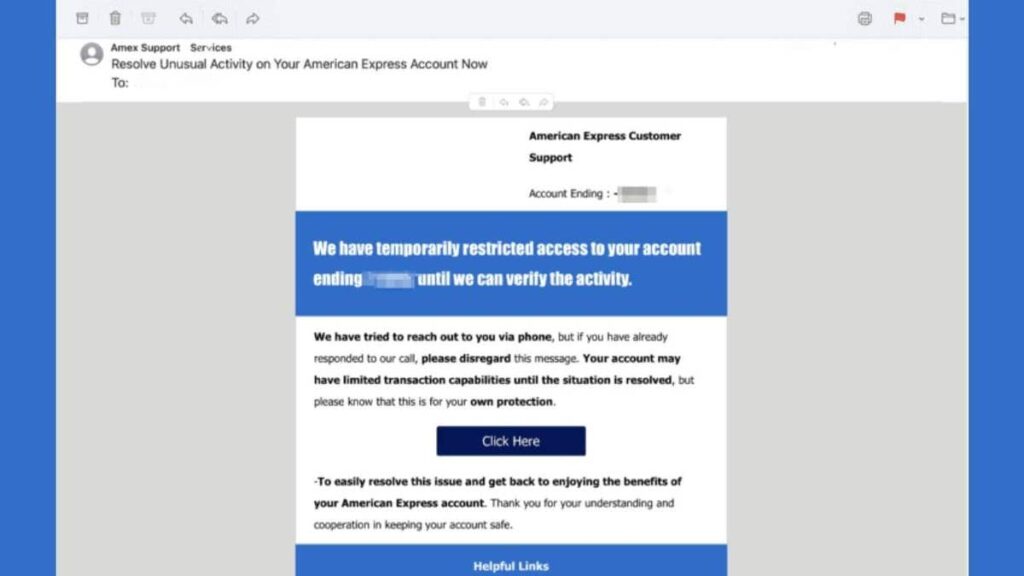
It started with an urgent subject line: “Resolve Unusual Activity on Your American Express Account Now.” That is how one scam email tried to trick me into clicking a fake link that claimed to “verify account activity.” It looked official with logos, customer support tone and even a partial account number. But it was a phishing attempt, a common tactic used to steal personal and financial information.Let’s look at what made this message suspicious and how you can protect yourself.Sign up for my FREE CyberGuy ReportGet my best tech tips, urgent security alerts and exclusive deals delivered straight to your inbox. Plus, you’ll get instant access to my Ultimate Scam Survival Guide – free when you join my CYBERGUY.COM newsletter.HOW TO SPOT AND STOP AI PHISHING SCAMSHow the phishing email scam worksPhishing emails copy trusted companies to create panic and urgency. The goal is simple: get you to click. In this case, the email claimed my American Express account was “temporarily restricted” until I verified my identity. A fake American Express email tried to steal personal data using urgent, fear-based language. (Kurt “CyberGuy” Knutsson)A closer look revealed several red flags:The sender’s email was not from an official American Express domain.The “Click Here” button linked to a strange website.The message used fear-based language about account suspension.Each of these clues points to a fake email designed to steal login details or credit card numbers.SCAMMERS NOW IMPERSONATE COWORKERS, STEAL EMAIL THREADS IN CONVINCING PHISHING ATTACKS Learn to spot red flags like strange email addresses and fake “verify account” requests. (Kurt “CyberGuy” Knutsson)What to do if you receive a phishing emailIf an email looks suspicious:Do not click any links.Check the sender’s address. Real companies use verified domains, not random ones.Go directly to the company website by typing the URL into your browser.Report the email. American Express asks customers to forward phishing messages to spoof@americanexpress.com.Delete the email right away.These steps can protect you from identity theft and financial fraud.PROTECT YOURSELF FROM SNEAKY WEB INJECTION SCAMS Strong passwords, 2FA and data removal services help defend against digital scams. (Neil Godwin/Future via Getty Images)10 tips to protect yourself from phishing emailsPhishing scams that mimic real companies like American Express can slip into your inbox looking almost legitimate. The best way to stay safe is to create strong digital habits that protect your information and your peace of mind. Here are the top ways to defend yourself against phishing threats and financial fraud.1) Turn on two-factor authentication for financial accountsAdding two-factor authentication (2FA) creates an extra layer of protection. Even if a scammer gets your password through a fake American Express email, they cannot access your account without your verification code. Most banks and credit card companies offer this free feature in their security settings. Enable it today and make your login stronger.2) Consider using a data removal serviceData removal services help clean up your personal information from data broker websites that collect and sell your details to advertisers, marketers and even scammers. Reducing your digital footprint limits the amount of information that phishing attackers can use to make fake emails look convincing. In the case of fake American Express messages, less personal data online means fewer details criminals can use to target you directly.While no service can guarantee the complete removal of your data from the internet, a data removal service is really a smart choice. They aren’t cheap, and neither is your privacy. These services do all the work for you by actively monitoring and systematically erasing your personal information from hundreds of websites. It’s what gives me peace of mind and has proven to be the most effective way to erase your personal data from the internet. By limiting the information available, you reduce the risk of scammers cross-referencing data from breaches with information they might find on the dark web, making it harder for them to target you.Check out my top picks for data removal services and get a free scan to find out if your personal information is already out on the web by visiting Cyberguy.com.Get a free scan to find out if your personal information is already out on the web: Cyberguy.com.3) Keep your browser and security software updatedOutdated browsers and antivirus programs leave gaps that scammers can exploit. Regular updates close those gaps and strengthen your defense against phishing links and malicious downloads. Set your software to update automatically so you are always protected when opening emails or clicking links.4) Review account statements and transactions regularlyMake it a habit to log into your credit card accounts directly from the official website, not from email links. Scan your statements for unfamiliar transactions. Early detection helps you report fraud fast and recover funds before more damage is done.5) Pause and verify before you click anythingPhishing emails thrive on urgency. Before clicking, take a deep breath and ask yourself: Does this message feel pressured or suspicious? Instead of clicking “verify now,” open a new browser tab and visit the official credit card website to check your account. This one simple pause can stop a scam in its tracks.6) Use strong antivirus softwareGood antivirus software not only blocks viruses but also warns you when a site or email is unsafe. Choose a program that includes phishing detection, real-time web protection and email scanning. These tools can automatically block fraudulent look-alike emails before you even open them.The best way to safeguard yourself from malicious links that install malware, potentially accessing your private information, is to have strong antivirus software installed on all your devices. This protection can also alert you to phishing emails and ransomware scams, keeping your personal information and digital assets safe.Get my picks for the best 2025 antivirus protection winners for your Windows, Mac, Android and iOS devices at Cyberguy.com.7) Use an identity monitoring serviceIdentity monitoring services keep watch over the dark web and alert you if your personal information, such as your email address, password, or credit card number, appears in stolen data. If scammers gain access to this information, they often use it to create realistic phishing attempts, like the fake American Express “account restricted” email. Early detection through identity monitoring allows you to take action, such as changing passwords, freezing credit, or alerting your bank before real damage occurs.Identity Theft companies can monitor personal information like your Social Security Number (SSN), phone number and email address, and alert you if it is being sold on the dark web or being used to open an account. They can also assist you in freezing your bank and credit card accounts to prevent further unauthorized use by criminals.See my tips and best picks on how to protect yourself from identity theft at Cyberguy.com.8) Learn to recognize official communicationsLegitimate companies like American Express will never ask for full account numbers, passwords, or security codes by email. Familiarize yourself with how real messages from your bank look and sound. If something feels off, forward the message to the company’s official fraud department and delete it immediately.9) Back up your important data securelyIf a phishing attack installs malware on your computer, it can lock or delete files. Keep secure backups on an external drive or a trusted cloud service. That way, even if scammers target your system, you will not lose access to your information.10) Trust your instinctsIf an email feels wrong, it probably is. Your intuition is one of your strongest defenses against scams. Combine it with these habits to stay ahead of cybercriminals and keep your personal and financial information safe. Kurt’s key takeawaysPhishing scams are becoming more advanced, but your awareness is your best defense. When you know how to spot fake emails and stay calm under pressure, you protect both your money and your peace of mind. So next time you get an “urgent” message about your account, ask yourself: Would your bank really contact you this way?Have you ever received a suspicious email like this? Let us know by writing to us at Cyberguy.com.CLICK HERE TO GET THE FOX NEWS APPSign up for my FREE CyberGuy ReportGet my best tech tips, urgent security alerts and exclusive deals delivered straight to your inbox. Plus, you’ll get instant access to my Ultimate Scam Survival Guide – free when you join my CYBERGUY.COM newsletter.Copyright 2025 CyberGuy.com.  All rights reserved. 

Beware fake credit card account restriction scams Read More »

1 meta ai edits your camera roll for better facebook posts

Meta AI edits your camera roll for better Facebook posts

NEWYou can now listen to Fox News articles!
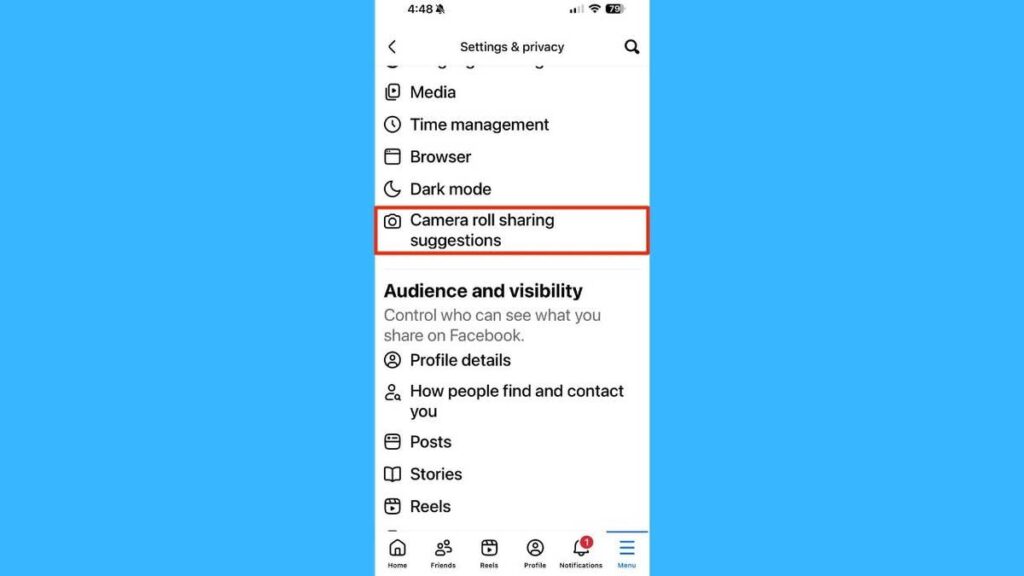
Your phone is full of photos you’ve never posted, moments you meant to share but never got around to. That’s exactly what Facebook wants to change. It now uses Meta AI to spot hidden gems in your camera roll, polish them, and create simple collages you can share. You take the pictures, and Facebook helps turn them into easy, ready-to-share memories. No design skills required.Sign up for my FREE CyberGuy ReportGet my best tech tips, urgent security alerts and exclusive deals delivered straight to your inbox. Plus, you’ll get instant access to my Ultimate Scam Survival Guide – free when you join my CYBERGUY.COM newsletter.Why Meta created this AI photo featureMany people take photos but then don’t share them because they feel the image isn’t “post-worthy,” or they simply don’t have time to make it look good.  Meta’s logic: if those moments are sitting unseen in your phone, screenshots, receipts, random snaps, they might still matter to you. So the tool helps you rediscover and share them. From Meta’s perspective, this also fits its bigger push into artificial intelligence-driven features across its apps.LEAKED META DOCUMENTS SHOW HOW AI CHATBOTS HANDLE CHILD EXPLOITATION New AI tool scans your camera roll to find and polish images for quick sharing. (Kurt “CyberGuy” Knutsson)Behind the scenes, Meta AI analyzes photo details, like lighting, people and events, to group similar moments and create polished collage layouts automatically. It can suggest captions or filters, but users can edit or reject any suggestion before posting.How to enable the Facebook AI featureHere’s how to turn this feature on in Facebook (and how to disable it if you prefer).Open the Facebook app on your phone (iOS or Android).Tap your profile picture or the menu icon.Go to Settings & Privacy.Click Settings.META STRENGTHENS TEEN SAFETY WITH EXPANDED ACCOUNTS Meta aims to revive old memories with Facebook’s AI-powered collage creator. (Kurt “CyberGuy” Knutsson)Scroll to Preferences (or something similar) and find Camera Roll Sharing Suggestions and tap on it.Toggle on ‘Get creative ideas made for you by allowing camera roll cloud processing’ (or similar wording). You may be prompted to allow “cloud processing,” whereby Facebook uploads photos from your device to its servers so Meta AI can analyze them.INSTAGRAM FRIEND MAP FEATURE SPARKS PRIVACY QUESTIONS Users can now let Facebook’s AI curate camera roll highlights automatically. (Kurt “CyberGuy” Knutsson)Confirm the opt-in and accept any permission prompts. Once enabled, Meta claims that only you see suggestions, and you decide if you save or share them.META DELETES 10 MILLION FACEBOOK ACCOUNTS THIS YEAR, BUT WHY? Facebook rolls out AI photo suggestions to make sharing easier than ever. (Kurt “CyberGuy” Knutsson)You’ll also receive optional notifications when new collage suggestions are ready, giving you the chance to preview and edit them before sharing.Steps to disable or opt outFollow the same path: Facebook app → Settings & Privacy → Settings → Preferences → Camera Roll Sharing Suggestions.Toggle the feature off or disable “cloud processing.”For extra privacy, you can also revoke Facebook’s access to your camera roll in your phone’s OS settings.If you’ve already uploaded photos for analysis, Meta says you can delete that data by turning off the feature and clearing saved files under “Your Facebook Information” in Settings.What this means for youHere’s how Facebook’s new AI photo feature could change the way you share, save and see your favorite moments online.More sharing without the effort. You capture the moment, Facebook helps polish it. The barrier of “this photo isn’t good enough” gets lowered.Greater visibility for memories. That vacation scrapbook photo or family snap buried in your camera roll might now get a second life.Full control remains. You decide whether to share the suggested edit or keep it private. Meta emphasizes that the suggestions are shown only to you unless you choose to share.Privacy considerations. Even though Meta says your photos won’t be used to train AI unless you edit or share them, they do get uploaded to Meta’s cloud when you opt in and may be stored for some time. Meta confirms that the uploaded photos aren’t used for ad targeting or facial recognition, but they may be stored temporarily for processing before being deleted.Limited rollout. At present, U.S. and Canada only; international users may need to wait.Take my quiz: How safe is your online security?Think your devices and data are truly protected? Take this quick quiz to see where your digital habits stand. From passwords to Wi-Fi settings, you’ll get a personalized breakdown of what you’re doing right and what needs improvement. Take my Quiz here: Cyberguy.com.Kurt’s key takeawaysThis move by Facebook addresses a common pain point (photos that don’t get shared) and leverages AI to make sharing more effortless. If you’re an active Facebook user who takes many photos and wants to share more of them, this feature could be a welcome boost. But if you’re cautious about how your private media may be handled, the opt-out path is important and worth using. Either way, it reflects how AI is quietly reshaping everyday apps.Will you turn on Facebook’s AI-powered photo suggestion feature or keep your camera roll private just the way it is?  Let us know by writing to us at Cyberguy.com.CLICK HERE TO GET THE FOX NEWS APPSign up for my FREE CyberGuy ReportGet my best tech tips, urgent security alerts and exclusive deals delivered straight to your inbox. Plus, you’ll get instant access to my Ultimate Scam Survival Guide – free when you join my CYBERGUY.COM newsletter.Copyright 2025 CyberGuy.com.  All rights reserved.

Meta AI edits your camera roll for better Facebook posts Read More »

social media scrolling

Teen sues AI tool maker over fake nude images

NEWYou can now listen to Fox News articles!
A teenager in New Jersey has filed a major lawsuit against the company behind an artificial intelligence (AI) “clothes removal” tool that allegedly created a fake nude image of her. The case has drawn national attention because it shows how AI can invade privacy in harmful ways. The lawsuit was filed to protect students and teens who share photos online and to show how easily AI tools can exploit their images.Sign up for my FREE CyberGuy ReportGet my best tech tips, urgent security alerts and exclusive deals delivered straight to your inbox. Plus, you’ll get instant access to my Ultimate Scam Survival Guide — free when you join my CYBERGUY.COM newsletter.LEAKED META DOCUMENTS SHOW HOW AI CHATBOTS HANDLE CHILD EXPLOITATIONHow the fake nude images were created and sharedWhen she was fourteen, the plaintiff posted a few photos of herself on social media. A male classmate used an AI tool called ClothOff to remove her clothing in one of those pictures. The altered photo kept her face, making it look real.The fake image quickly spread through group chats and social media. Now seventeen, she is suing AI/Robotics Venture Strategy 3 Ltd., the company that operates ClothOff. A Yale Law School professor, several students and a trial attorney filed the case on her behalf. A New Jersey teen is suing the creators of an AI tool that made a fake nude image of her. (iStock)The suit asks the court to delete all fake images and stop the company from using them to train AI models. It also seeks to remove the tool from the internet and provide financial compensation for emotional harm and loss of privacy.The legal fight against deepfake abuseStates across the U.S. are responding to the rise of AI-generated sexual content. More than 45 states have passed or proposed laws to make deepfakes without consent a crime. In New Jersey, creating or sharing deceptive AI media can lead to prison time and fines.At the federal level, the Take It Down Act requires companies to remove nonconsensual images within 48 hours after a valid request. Despite new laws, prosecutors still face challenges when developers live overseas or operate through hidden platforms.APPARENT AI MISTAKES FORCE TWO JUDGES TO RETRACT SEPARATE RULINGS The lawsuit aims to stop the spread of deepfake “clothes-removal” apps and protect victims’ privacy. (iStock)Why legal experts say this case could set a national precedentExperts believe this case could reshape how courts view AI liability. Judges must decide whether an AI developer is responsible when people misuse their tool. They also need to consider whether the software itself can be an instrument of harm.The lawsuit highlights another question: how can victims prove damage when no physical act occurred, but the harm feels real? The outcome may define how future deepfake victims seek justice.Is Clothoff still available?Reports indicate that ClothOff may no longer be accessible in some countries, such as the United Kingdom, where it was blocked after public backlash. However, users in other regions, including the U.S., still appear able to reach the company’s web platform, which continues to advertise tools that “remove clothes from photos.”On its official website, the company includes a short disclaimer addressing the ethics of its technology. It states, “Is it ethical to use AI generators to create images? Using AI to create ‘deepnude’ style images raises ethical considerations. We encourage users to approach this with an understanding of responsibility and respect for others’ privacy, ensuring that the use of undress app is done with full awareness of ethical implications.”Whether fully operational or partly restricted, ClothOff’s ongoing presence online continues to raise serious legal and moral questions about how far AI developers should go in allowing such image-manipulation tools to exist.CLICK HERE TO GET THE FOX NEWS APP This case could set a national precedent for holding AI companies accountable for misuse of their tools. (Kurt “CyberGuy” Knutsson)Why this AI lawsuit matters for everyone onlineThe ability to make fake nude images from a simple photo threatens anyone with an online presence. Teens face special risks because AI tools are easy to use and share. The lawsuit draws attention to the emotional harm and humiliation caused by such images.Parents and educators worry about how quickly this technology spreads through schools. Lawmakers are under pressure to modernize privacy laws. Companies that host or enable these tools must now consider stronger safeguards and faster takedown systems.What this means for youIf you become a target of an AI-generated image, act quickly. Save screenshots, links and dates before the content disappears. Request immediate removal from websites that host the image. Seek legal help to understand your rights under state and federal law.Parents should discuss digital safety openly. Even innocent photos can be misused. Knowing how AI works helps teens stay alert and make safer online choices. You can also demand stricter AI rules that prioritize consent and accountability.Take my quiz: How safe is your online security?Think your devices and data are truly protected? Take this quick quiz to see where your digital habits stand. From passwords to Wi-Fi settings, you’ll get a personalized breakdown of what you’re doing right and what needs improvement. Take my Quiz here: Cyberguy.com.Kurt’s key takeawaysThis lawsuit is not only about one teenager. It represents a turning point in how courts handle digital abuse. The case challenges the idea that AI tools are neutral and asks whether their creators share responsibility for harm. We must decide how to balance innovation with human rights. The court’s ruling could influence how future AI laws evolve and how victims seek justice.If an AI tool creates an image that destroys someone’s reputation, should the company that made it face the same punishment as the person who shared it? Let us know by writing to us at Cyberguy.com.Sign up for my FREE CyberGuy ReportGet my best tech tips, urgent security alerts and exclusive deals delivered straight to your inbox. Plus, you’ll get instant access to my Ultimate Scam Survival Guide — free when you join my CYBERGUY.COM newsletter.Copyright 2025 CyberGuy.com.  All rights reserved.

Teen sues AI tool maker over fake nude images Read More »

1 alarming rise of fake legal requests

Payroll scam hits US universities as phishing wave tricks staff

NEWYou can now listen to Fox News articles!
Phishing scams target every kind of institution, whether it’s a hospital, a big tech firm or even a fast-food chain. Educational institutions aren’t an exception, especially in 2025, when attackers are actively directing their efforts toward them. Universities across the U.S. are facing a new type of cybercrime where attackers are targeting staff to hijack salary payments. Researchers have discovered that since March 2025, a hacking group known as Storm-2657 has been running “pirate payroll” attacks, using phishing tactics to gain access to payroll accounts. Let’s talk more about this attack and how you can stay safe.Sign up for my FREE CyberGuy ReportGet my best tech tips, urgent security alerts and exclusive deals delivered straight to your inbox. Plus, you’ll get instant access to my Ultimate Scam Survival Guide — free when you join my CYBERGUY.COM. newsletter.SCAMMERS NOW IMPERSONATE COWORKERS, STEAL EMAIL THREADS IN CONVINCING PHISHING ATTACKSHow does the university payroll scam workAccording to Microsoft Threat Intelligence, Storm-2657 primarily targets Workday, a widely used human resources platform, though other payroll and HR software could be at risk as well. The attackers begin with highly convincing phishing emails, carefully crafted to appeal to individual staff members. Some messages warn of a sudden campus illness outbreak, creating a sense of urgency, while others claim that a faculty member is under investigation, prompting recipients to check documents immediately. In some cases, emails impersonate the university president or HR department, sharing “important” updates about compensation and benefits. Phishing scams are evolving fast and now universities have become prime targets for payroll theft. (Kurt “CyberGuy” Knutsson)These emails contain links designed to capture login credentials and multi-factor authentication (MFA) codes in real time using adversary-in-the-middle techniques. Once a staff member enters their information, the attackers can access the account as if they were the legitimate user. After gaining control, the hackers set up inbox rules to delete Workday notifications, so the victims do not see alerts about changes. This stealthy approach allows the attackers to modify payroll profiles, adjust salary payment settings and redirect funds to accounts they control, all without raising immediate suspicion.COLUMBIA UNIVERSITY DATA BREACH HITS 870,000 PEOPLEHackers are exploiting universities at scaleThe hackers don’t stop at a single account. Once they control one mailbox, they use it to spread the attack further. Microsoft reports that from just 11 compromised accounts at three universities, Storm-2657 sent phishing emails to nearly 6,000 email addresses at 25 institutions. By using trusted internal accounts, their emails appear more legitimate, increasing the likelihood that recipients will fall for the scam.To maintain access over time, the attackers sometimes enroll their own phone numbers as MFA devices, either through Workday profiles or through Duo MFA. This gives them persistent access, allowing them to approve further malicious actions without needing to phish again. Combined with inbox rules that hide notifications, this strategy lets them operate undetected for longer periods.Microsoft emphasizes that these attacks don’t exploit a flaw in Workday itself. Instead, they rely on social engineering, the absence of strong phishing-resistant MFA and careful manipulation of internal systems. In essence, the threat comes from human behavior and insufficient protection, not software bugs. Hackers lure staff with convincing emails that mimic campus alerts or HR updates and steal login details in real time.  (Microsoft)6 ways to stay safe from payroll and phishing scamsProtecting yourself from payroll and phishing scams isn’t complicated. By taking a few careful steps, you can make it much harder for attackers to gain access to your accounts or personal information.1) Limit what personal information is onlineThe more information scammers can find about you, the easier it is to craft convincing phishing messages. Services that remove or monitor personal data online can reduce exposure, making it harder for attackers to trick you with targeted emails.While no service can guarantee the complete removal of your data from the internet, a data removal service is really a smart choice. They aren’t cheap, and neither is your privacy. These services do all the work for you by actively monitoring and systematically erasing your personal information from hundreds of websites. It’s what gives me peace of mind and has proven to be the most effective way to erase your personal data from the internet. By limiting the information available, you reduce the risk of scammers cross-referencing data from breaches with information they might find on the dark web, making it harder for them to target you.Check out my top picks for data removal services and get a free scan to find out if your personal information is already out on the web by visiting Cyberguy.com.Get a free scan to find out if your personal information is already out on the web: Cyberguy.com2) Think before you clickScammers often send emails that look like they come from your HR department or university leadership, warning about payroll, benefits or urgent issues. Don’t click links or download attachments unless you are 100% sure they are legitimate. Even small mistakes can give attackers access to your accounts.The best way to safeguard yourself from malicious links is to have antivirus software installed on all your devices. This protection can also alert you to phishing emails and ransomware scams, keeping your personal information and digital assets safe.Get my picks for the best 2025 antivirus protection winners for your Windows, Mac, Android and iOS devices at Cyberguy.com. Researchers have discovered that since March 2025, a hacking group known as Storm-2657 has been running “pirate payroll” attacks, using phishing tactics to gain access to payroll accounts. (Javi Sanz/Getty Images)3) Verify directly with the sourceIf an email mentions salary changes or requires action, call or email the HR office or the person directly using contact information you already know. Phishing emails are designed to create panic and rush decisions, so taking a moment to verify can stop attackers in their tracks.4) Use strong, unique passwordsNever reuse passwords across multiple accounts. Scammers often try to use credentials stolen from other breaches. A password manager can help you generate strong passwords and store them securely, so you don’t have to remember dozens of different combinations.Next, see if your email has been exposed in past breaches. Our No. 1 password manager pick includes a built-in breach scanner that checks whether your email address or passwords have appeared in known leaks. If you discover a match, immediately change any reused passwords and secure those accounts with new, unique credentials.Check out the best expert-reviewed password managers of 2025 at Cyberguy.com.5) Enable two-factor authentication (2FA)Add an extra layer of security by enabling 2FA on all accounts that support it. This means even if someone steals your password, they still can’t log in without a second verification step, such as a code sent to your phone.6) Regularly check financial and payroll accountsEven if you follow all precautions, it’s smart to monitor your accounts for any unusual activity. Catching unauthorized transactions quickly can prevent bigger losses and alert you to potential scams before they escalate.CLICK HERE TO DOWNLOAD THE FOX NEWS APP Hackers will reroute payments after gaining access to users’ login information. (Kurt “CyberGuy” Knutsson)Kurt’s key takeawayThe Storm-2657 attacks show that cybercriminals are targeting trust, not software. Universities are appealing because payroll systems handle money directly, and staff can be manipulated through well-crafted phishing. The scale and sophistication of these attacks highlight how vulnerable even well-established institutions can be to financially motivated threat actors.How often do you check your payroll or bank accounts for unusual activity? Let us know by writing to us at Cyberguy.com.Sign up for my FREE CyberGuy ReportGet my best tech tips, urgent security alerts and exclusive deals delivered straight to your inbox. Plus, you’ll get instant access to my Ultimate Scam Survival Guide — free when you join my CYBERGUY.COM. newsletter.   Copyright 2025 CyberGuy.com.  All rights reserved.

Payroll scam hits US universities as phishing wave tricks staff Read More »

asteroid space orbit sun 001

Scientists spot skyscraper-sized asteroid racing through solar system

NEWYou can now listen to Fox News articles!
Astronomers have reportedly discovered a skyscraper-sized asteroid moving through our solar system at a near record-breaking pace.The asteroid, named 2025 SC79, circles the sun once every 128 days, making it the second-fastest known asteroid orbiting in the solar system.It was first observed by Carnegie Science astronomer Scott S. Sheppard Sept. 27, according to a statement from Carnegie Science.UFO MANIA GRIPS SMALL TOWN AFTER MYSTERIOUS GLOWING OBJECT SIGHTING GOES VIRAL A skyscraper-size asteroid, named 2025 SC79, was discovered in September, hidden in the sun’s glare. (Carnegie Science)The asteroid is the second known object with an orbit inside Venus, the statement said. It crosses Mercury’s orbit during its 128-day trip around the sun.”Many of the solar system’s asteroids inhabit one of two belts of space rocks, but perturbations can send objects careening into closer orbits where they can be more challenging to spot,” Sheppard said. “Understanding how they arrived at these locations can help us protect our planet and also help us learn more about solar system history.”The celestial body is now traveling behind the sun and will be invisible to telescopes for several months.HARVARD PHYSICIST SAYS MYSTERIOUS INTERSTELLAR OBJECT COULD BE NUCLEAR-POWERED SPACESHIPSheppard’s search for so-called “twilight” asteroids helps identify objects that could pose a risk of crashing into Earth, the statement said.The work, which is partially funded by NASA, uses the Dark Energy Camera on the National Science Foundation’s Blanco 4-meter telescope to look for “planet killer” asteroids in the glare of the sun that could pose a danger to Earth.The NSF’s Gemini telescope and Carnegie Science’s Magellan telescopes were used to confirm the sighting of 2025 SC79, Carnegie Science said. The fastest known asteroid was also discovered by Sheppard, who studies solar system objects including moons, dwarf planets and asteroids. and his colleagues in 2021.CLICK HERE TO GET THE FOX NEWS APPThat one takes 133 days to orbit the sun.

Scientists spot skyscraper-sized asteroid racing through solar system Read More »

robby starbuck

Fox News AI Newsletter: Conservative activist reaches ‘breaking point’ with Google

NEWYou can now listen to Fox News articles!
Welcome to Fox News’ Artificial Intelligence newsletter with the latest AI technology advancements.IN TODAY’S NEWSLETTER:- Robby Starbuck on why he sued Google: ‘Outrageously false’ information through artificial intelligence- Federal judges acknowledge court ruling errors tied to staffers’ AI use after Grassley inquiry- Meta cuts 600 jobs amid AI expansion push — as automation replaces human staff Robby Starbuck said he sent multiple cease-and-desist letters before taking legal action.  (Bess Adler/Bloomberg via Getty Images)’CRAZY’ CLAIMS: Conservative activist Robby Starbuck spoke out about the “crazy” situation that prompted him to file a lawsuit against Google on Wednesday seeking at least $15 million, alleging the company’s artificial intelligence programs defamed him by falsely portraying him as a “monster” to millions of users.ROBOT JUSTICE FAIL: Two federal judges admitted that members of their staff used artificial intelligence to prepare court orders over the summer that contained errors.’TALENTED GROUP’: Meta is cutting around 600 jobs within its artificial intelligence unit, a move it says aims to boost efficiency.SILICON SHOWDOWN: Palantir CEO Alex Karp said his company is in an artificial intelligence arms race with its competitors, after reaching a deal with Lumen Technologies in which Palantir will deploy AI throughout Lumen’s digital communications network and enhance data use and effectiveness.HOMEGROWN POWER: Apple is now building and shipping American-made artificial intelligence servers in the United States — a move that has the technology giant answering President Donald Trump’s call to on shore manufacturing. Apple begins building and shipping American-made artificial intelligence servers in the U.S. in response to President Donald Trump’s push to boost domestic manufacturing. (Eric Thayer/Bloomberg via Getty Images)HUMANS ONLY: An Ohio lawmaker is taking aim at artificial intelligence in a way few expected. Rep. Thaddeus Claggett has introduced House Bill 469, which would make it illegal for AI systems to be treated like people. The proposal would officially label them as “nonsentient entities,” cutting off any path toward legal personhood.MACHINE AGE: Amazon is not wasting any time on its future ambitions for automation and how artificial intelligence (AI) technology could reshape its workforce.BEYOND THE GRAVE: Suzanne Somers’ widower Alan Hamel, who shared a demonstration of the AI twin of the actress following her death from breast cancer in 2023 earlier this year, said this week it was originally her idea.FEARLESS FUTURE: I know that many of you are afraid that AI is going to take your job. And you might be right. The 2025 Global State of AI at Work report just confirmed what we’re all sensing. AI isn’t the future. It is now. But before you panic, let me offer a new way to look at this. Instead of fearing what’s coming, maybe it’s time to think outside the box. Nearly three out of five companies say they’re hiring for AI-related roles this year. And most of these jobs don’t require a computer science degree or even coding skills.MANNERS VS MACHINE: Do rude prompts really get better answers? Short answer: sometimes. A 2025 arXiv study tested 50 questions rewritten in five tones and found that rude prompts slightly outperformed polite ones with ChatGPT-4o. Accuracy rose from 80.8% for very polite to 84.8% for very rude. The sample was small, yet the pattern was clear.TRAP SET: A watchdog group in Long Island, New York, used Artificial Intelligence (AI) to bust an elementary school music teacher who allegedly sent sexually explicit messages to someone whom he believed was a 13-year-old girl online.CASH FROM CODE: A Michigan woman’s decision to let artificial intelligence (AI) pick her lottery numbers has paid off in a big way. Tammy Carvey, 45, of Wyandotte, won a Powerball jackpot of $100,000 and says ChatGPT was the secret weapon behind her lucky numbers. She bought her ticket online at MichiganLottery.com for the Sept. 6 drawing, according to the Michigan Lottery. ammy Carvey, 45, of Wyandotte, Michigan, wins a $100,000 Powerball prize in the Sept. 6 drawing after using ChatGPT to select her lottery numbers, according to the Michigan Lottery. (PATRICK T. FALLON/AFP via Getty Images)SECRETS STOLEN: Millions of private messages meant to stay secret are now public. Two AI companion apps, Chattee Chat and GiMe Chat, have exposed more than 43 million intimate messages and over 600,000 images and videos after a major data leak discovered by Cybernews, a leading cybersecurity research group known for uncovering major data breaches and privacy risks worldwide. The exposure revealed just how vulnerable you can be when you trust AI companions with deeply personal interactions.TECH TURNED WEAPON: Artificial intelligence may be smarter than ever, but that power could be turned against us. Former Google CEO Eric Schmidt is sounding the alarm, warning that AI systems can be hacked and retrained in ways that make them dangerous.FOLLOW FOX NEWS ON SOCIAL MEDIAFacebookInstagramYouTubeXLinkedInSIGN UP FOR OUR OTHER NEWSLETTERSFox News FirstFox News OpinionFox News LifestyleFox News HealthDOWNLOAD OUR APPSFox NewsFox BusinessFox WeatherFox SportsTubiWATCH FOX NEWS ONLINEFox News GoSTREAM FOX NATIONFox NationStay up to date on the latest AI technology advancements and learn about the challenges and opportunities AI presents now and for the future with Fox News here.

Fox News AI Newsletter: Conservative activist reaches ‘breaking point’ with Google Read More »

1 hackers leak medical reports after breach hits 1.2m patients intro 1

Hackers steal medical records and financial data from 1.2M patients in massive healthcare breach

NEWYou can now listen to Fox News articles!
More than 1 million patients have been affected by a data breach involving SimonMed Imaging, one of the country’s largest outpatient radiology and medical imaging providers. The breach came to light after a cyberattack compromised sensitive patient data, with reports indicating that ransomware operators may have been behind the incident. What makes this case particularly concerning is the scale of the attack and the type of information stolen, which could easily be misused for financial or identity fraud.Sign up for my FREE CyberGuy ReportGet my best tech tips, urgent security alerts and exclusive deals delivered straight to your inbox. Plus, you’ll get instant access to my Ultimate Scam Survival Guide – free when you join my CYBERGUY.COM newsletter.What happened at SimonMed ImagingIn January 2025, SimonMed Imaging was alerted by one of its vendors about a potential security incident. The following day, the company noticed suspicious activity on its own network. The company says in response, it reset passwords, enforced two-factor authentication and tightened endpoint security while cutting off third-party vendor access.Unfortunately, the attackers had already gained access. Between Jan. 21 and Feb. 5, 2025, cybercriminals exfiltrated sensitive data belonging to around 1.2 million individuals. The Medusa ransomware group later claimed responsibility, alleging they had stolen more than 200 GB of data, including patient IDs, financial records and medical scans.DISCORD CONFIRMS VENDOR BREACH EXPOSED USER IDS IN RANSOM PLOT SimonMed Imaging discovered suspicious network activity in January 2025, prompting an immediate security response and system lockdown. (Kurt “CyberGuy” Knutsson)The attackers reportedly demanded 1 million dollars to delete the stolen files, or 10,000 dollars per day to delay publishing. SimonMed was later removed from the Medusa leak site, which could suggest a ransom payment, although the company has not confirmed this. In the aftermath, SimonMed brought in cybersecurity experts to investigate and has offered complimentary credit monitoring services to affected individuals.COLUMBIA UNIVERSITY DATA BREACH HITS 870,000 PEOPLE Hackers linked to the Medusa ransomware group stole data from 1.2 million patients, including IDs, financial details and medical scans. (Kurt “CyberGuy” Knutsson)What data got exposed in the SimonMed breachWhile SimonMed’s official filing described the exposed data as names and other data elements, the ransomware group’s claims suggest a much broader leak. According to the attackers, the stolen dataset included identity documents, payment details, medical reports, account balances and raw imaging scans (via BleepingComputer).Such information is extremely valuable on dark web marketplaces. Identity details and medical records are often sold in bulk to fraud operators who use them to commit financial scams, insurance fraud, or obtain prescription drugs. Medical breaches are harder to recover from because you cannot reset or replace a medical history or a government ID scan the same way you can change a password.We reached out to SimonMed for comment, but did not hear back before our deadline.DELIVERY GIANT’S DATA BREACH EXPOSES 40,000 PERSONAL RECORDS After the breach, SimonMed hired cybersecurity experts, tightened defenses and offered free credit monitoring to affected individuals.  (Kurt “CyberGuy” Knutsson)7 steps you can take to stay protectedEven though the company is offering free credit monitoring, leaked data often circulates long after an incident is closed publicly. That is why it is important to take additional precautions on your end to reduce the long-term impact of this breach and future-proof your personal security.1) Use a data removal servicePeople-search sites collect personal records and make them publicly accessible. Data removal services handle outreach and removals on your behalf, which reduces your exposed footprint online. With less information easily available, it becomes harder for attackers to assemble a complete identity profile for scams.While no service can guarantee the complete removal of your data from the internet, a data removal service is really a smart choice. They aren’t cheap, and neither is your privacy. These services do all the work for you by actively monitoring and systematically erasing your personal information from hundreds of websites. It’s what gives me peace of mind and has proven to be the most effective way to erase your personal data from the internet. By limiting the information available, you reduce the risk of scammers cross-referencing data from breaches with information they might find on the dark web, making it harder for them to target you.Check out my top picks for data removal services and get a free scan to find out if your personal information is already out on the web by visiting Cyberguy.com.Get a free scan to find out if your personal information is already out on the web: Cyberguy.com.NEARLY A MILLION PATIENTS HIT BY DAVITA DIALYSIS RANSOMWARE ATTACK2) Change your passwords and use a password managerIf you have ever interacted with SimonMed or any related platform, change your passwords immediately. Avoid reusing old passwords across different accounts. A password manager helps generate strong credentials and stores them securely so you do not have to remember them manually. This reduces the risk of one breach affecting multiple accounts.Next, see if your email has been exposed in past breaches. Our No. 1 password manager pick includes a built-in breach scanner that checks whether your email address or passwords have appeared in known leaks. If you discover a match, immediately change any reused passwords and secure those accounts with new, unique credentials.Check out the best expert-reviewed password managers of 2025 at Cyberguy.com.3) Turn on two-factor authentication everywhereEnabling 2FA adds an important layer of verification to your accounts. Even if someone gets hold of your password, they will not be able to log in without the code delivered to your phone or app. It is one of the simplest and most effective security upgrades you can make.4) Install a strong antivirusModern malware includes remote access tools and silent monitoring modules that can stay hidden before launching an attack. Strong antivirus software can detect unusual behavior, protect against ransomware and alert you in real time if something attempts to access your data without permission. This is no longer just about traditional virus protection but active threat monitoring.The best way to safeguard yourself from malicious links that install malware and potentially access your private information is to have strong antivirus software installed on all your devices. This protection can also alert you to phishing emails and ransomware scams, keeping your personal information and digital assets safe.Get my picks for the best 2025 antivirus protection winners for your Windows, Mac, Android and iOS devices at Cyberguy.com.5) Monitor your financial and medical statementsRegularly review your bank statements, insurance records and medical billing activity. Cybercriminals often test stolen information with small, easily overlooked transactions before moving to larger fraud attempts. Catching and reporting these early can prevent a much bigger loss.6) Consider an identity theft protection planBecause breaches involving medical providers often expose sensitive identifiers, an identity protection service can be useful. These services scan dark web listings, alert you when your information appears in leaked databases and assist with recovery if fraud occurs. Some plans include legal support and help with credit restoration.Identity Theft companies can monitor personal information like your Social Security Number (SSN), phone number and email address, and alert you if it is being sold on the dark web or being used to open an account. They can also assist you in freezing your bank and credit card accounts to prevent further unauthorized use by criminals.See my tips and best picks on how to protect yourself from identity theft at Cyberguy.com.7) Stay informed and cautiousAfter a major breach, attackers often launch phishing campaigns that reference the affected company to appear legitimate. Be skeptical of emails or texts mentioning SimonMed or credit monitoring, especially if they request payment or personal verification. Staying aware of current scams and keeping your software updated adds a strong layer of defense.CLICK HERE TO GET THE FOX NEWS APPKurt’s key takeawayThe SimonMed Imaging breach is another reminder that cyberattacks on healthcare providers are becoming more frequent and far more invasive. Once data is taken, it can circulate indefinitely across criminal networks. Taking protective steps early, including monitoring your identity and reducing your exposed data online, can help you stay ahead of potential misuse.Do you think healthcare providers are doing enough to protect your personal and medical data? Let us know by writing to us at Cyberguy.comSign up for my FREE CyberGuy ReportGet my best tech tips, urgent security alerts and exclusive deals delivered straight to your inbox. Plus, you’ll get instant access to my Ultimate Scam Survival Guide – free when you join my CYBERGUY.COM newsletter.Copyright 2025 CyberGuy.com.  All rights reserved.  

Hackers steal medical records and financial data from 1.2M patients in massive healthcare breach Read More »

1 spotify expands family controls for kids accounts

Spotify gives parents new power to control what their kids hear on streaming platform

NEWYou can now listen to Fox News articles!
Spotify is rolling out a major update for parents who want more control over what their children listen to. Managed accounts, first tested in select countries, are now expanding to the United States, the United Kingdom, Canada, Australia, Germany, France and the Netherlands. These accounts create a safer and more personalized way for young listeners to enjoy music while parents stay in control of what plays.Sign up for my FREE CyberGuy ReportGet my best tech tips, urgent security alerts and exclusive deals delivered straight to your inbox. Plus, you’ll get instant access to my Ultimate Scam Survival Guide – free when you join my CYBERGUY.COM newsletter.TEENS FACE NEW PG-13 LIMITS ON INSTAGRAMA safer way for kids to explore musicSpotify’s new managed accounts are built for kids under 13. They offer a music-only experience inside the main Spotify app. Parents can use their Family Plan settings to filter explicit lyrics, block certain artists or songs and hide videos or looping visuals called Canvas. Unlike the limited Spotify Kids app, these accounts exist within the regular Spotify platform. Kids get a familiar interface with features like Discover Weekly and Daylist, but with restrictions that fit their age. Parents can now guide what their kids listen to while enjoying music together on Spotify. (Spotify)How managed accounts workPremium Family subscribers can set up a managed account directly from their Spotify settings. Choose “Add a Member,” then select “Add a listener aged under 13.” Parents control what content plays, while kids build their own playlists and get personalized recommendations based on their listening habits. This separation keeps parents’ Discover Weekly and Wrapped playlists clean from unexpected surprises like a sudden obsession with gaming soundtracks or silly meme songs.META STRENGTHENS TEEN SAFETY WITH EXPANDED ACCOUNTS Managed accounts make family streaming safer, simpler and more personalized for young listeners. (Spotify)Why this matters for parentsFor years, parents have struggled to give kids music freedom while keeping explicit content away. This update finally solves that challenge. Managed accounts let parents turn off videos, block podcasts and make sure no age-restricted content slips through. It provides peace of mind for families who love streaming music together. Kids get their own playlists and recommendations without changing what parents hear. (Spotify)What this means for youIf you already subscribe to the Premium Family plan, this update adds even more value. You still get six individual accounts, and now you can include a customized child account. Parents can share their favorite songs safely while using filters that protect young listeners. Kids get the freedom to explore new music and create playlists without affecting the main account’s recommendations.Take my quiz: How safe is your online security?Think your devices and data are truly protected? Take this quick quiz to see where your digital habits stand. From passwords to Wi-Fi settings, you’ll get a personalized breakdown of what you’re doing right and what needs improvement. Take my Quiz here: Cyberguy.com  Spotify’s new tools give families more control and more ways to connect through music. (Spotify)CLICK HERE TO GET THE FOX NEWS APPKurt’s key takeawaysSpotify’s expansion of managed accounts is a smart move toward safer, family-friendly streaming. It protects young listeners while helping them build their own love for music. With strong parental controls built right into the app, families can enjoy listening together with confidence and ease.Will you set up a Spotify managed account for your child, or keep family listening under one shared profile? Let us know by writing to us at Cyberguy.com.Sign up for my FREE CyberGuy ReportGet my best tech tips, urgent security alerts and exclusive deals delivered straight to your inbox. Plus, you’ll get instant access to my Ultimate Scam Survival Guide – free when you join my CYBERGUY.COM newsletter.Copyright 2025 CyberGuy.com.  All rights reserved.  

Spotify gives parents new power to control what their kids hear on streaming platform Read More »

686a8806 1 from friendly text to financial trap the new scam trend

From friendly text to financial trap: the new scam trend

NEWYou can now listen to Fox News articles!
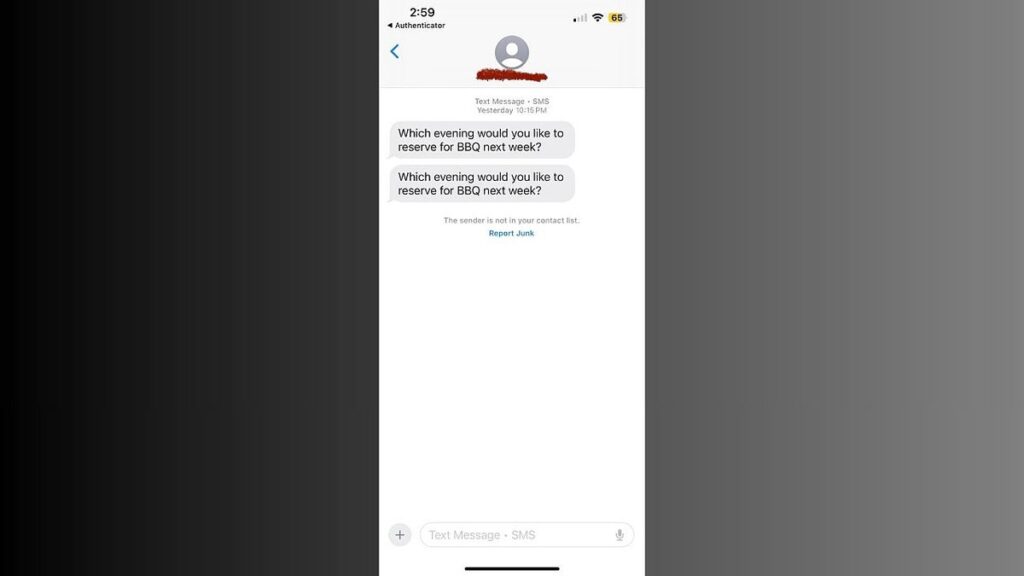
It starts with something small, a text that feels oddly familiar. Maybe it says, “Hey, how are you?” or “Are you coming to the BBQ?” Before you know it, you’re in a friendly back-and-forth with someone who seems genuine. But soon, that casual conversation takes a sharp turn toward money.That’s exactly what happened to John from Alabama.”I received a text from someone in California inviting me to a BBQ. We’ve been texting, and now she wants me to trade gold through WEEX. Is this safe or a scam? I’m 74, she’s 36.” – John, Huntsville, AlabamaJohn’s story may sound like a one-off, but it’s part of a growing trend where scammers use personal charm to build trust and then push victims into risky online “investments.”SCAMMERS NOW IMPERSONATE COWORKERS, STEAL EMAIL THREADS IN CONVINCING PHISHING ATTACKSSign up for my FREE CyberGuy ReportGet my best tech tips, urgent security alerts and exclusive deals delivered straight to your inbox. Plus, you’ll get instant access to my Ultimate Scam Survival Guide — free when you join my CyberGuy.com newsletter It only takes one text message to blur the line between connection and con. (Kurt “CyberGuy” Knutsson)What is WEEX?WEEX is a cryptocurrency exchange that allows users to trade digital assets, including gold-backed tokens like Tether Gold (XAUT). These aren’t physical gold bars or coins; they’re digital tokens tied to the price of gold and stored on blockchain networks. While WEEX operates as a legitimate platform, scammers often exploit the name of real exchanges to sound credible. They’ll encourage victims to “trade gold” through what seems like an official account but actually directs them to fake sites or wallets designed to steal money.Why this could be a scamJohn’s experience shows several red flags. The conversation began with a friendly invitation, then quickly shifted to a financial pitch. That’s a classic move in online relationship scams. The younger person builds an emotional connection, then uses that trust to promote an “opportunity.” Scammers often promise guaranteed profits or claim they’ll “help you trade” to make the process sound easy.But the truth is, once you send money or crypto, it’s nearly impossible to get it back. Even if WEEX itself is legitimate, the person encouraging you to use it may not be.Many scammers use stolen photos, AI-generated profiles or fake identities to build credibility. Once they convince you to send funds, they vanish, often taking your money and personal information with them. Scammers use friendly conversations to build trust before asking for money. Stay alert. (Kurt “CyberGuy” Knutsson)How to tell if you’re being targetedYou can spot trouble early by asking simple questions. If someone can’t explain how the investment works or avoid details about how to withdraw your money, that’s a warning sign. Be cautious if they promise fast profits or “zero-risk” returns.Real investments always involve risk. Watch out for anyone who pressures you to act quickly or says the deal is “private.” Those urgency tactics are designed to keep you from thinking clearly.Also, look up the company behind the platform. If it’s based overseas, lacks clear business registration or hides its address, your funds may have no legal protection.WHATSAPP BANS 6.8M SCAM ACCOUNTS, LAUNCHES SAFETY TOOL Scams often start with small talk, and even a simple “How about golf tomorrow?” can be a trap. (Kurt “CyberGuy” Knutsson)What you should do nowIf you’ve received a text like John’s, pause before replying or transferring anything. These scams move fast, but you can stop them in their tracks by following a few smart steps.1) Don’t send money or cryptoNever send money, crypto or gift cards to anyone you’ve only met by text. Ask for written proof explaining how the investment works and how withdrawals happen. If the person avoids details or insists you “act now,” that’s a serious warning sign.2) Ask direct questionsScammers thrive on vague promises. Ask specific questions about how profits are made, how you’ll access your funds and who regulates the platform. If the answers are unclear or the topic changes, walk away immediately.3) Research WEEX reviews and complaintsBefore you invest a cent, search online for phrases like “WEEX scam” or “WEEX complaints.” See what other users have experienced and whether any regulatory agencies have flagged the platform. Real investors leave detailed feedback; scammers usually don’t.4) Use a data removal serviceProtect your privacy beyond just this scam. Data removal services can erase your personal details from data broker sites that sell your info to marketers and sometimes scammers. The fewer places your data lives online, the harder it is for fraudsters to find and target you again.While no service can guarantee the complete removal of your data from the internet, a data removal service is really a smart choice. They aren’t cheap, and neither is your privacy. These services do all the work for you by actively monitoring and systematically erasing your personal information from hundreds of websites. It’s what gives me peace of mind and has proven to be the most effective way to erase your personal data from the internet. By limiting the information available, you reduce the risk of scammers cross-referencing data from breaches with information they might find on the dark web, making it harder for them to target you.Check out my top picks for data removal services and get a free scan to find out if your personal information is already out on the web by visiting CyberGuy.com.Get a free scan to find out if your personal information is already out on the web: CyberGuy.com5) Use strong antivirus protectionScammers sometimes send fake links or attachments that can infect your phone or computer. Install and regularly run a strong antivirus software. These tools can block dangerous websites, alert you to phishing attempts and keep your personal data secure.The best way to safeguard yourself from malicious links that install malware, potentially accessing your private information, is to have strong antivirus software installed on all your devices. This protection can also alert you to phishing emails and ransomware scams, keeping your personal information and digital assets safe.Get my picks for the best 2025 antivirus protection winners for your Windows, Mac, Android and iOS devices at CyberGuy.com6) Talk to someone you trustBefore investing in anything, share the details with a trusted friend, family member or financial advisor. A second opinion can help you spot inconsistencies or risks you might overlook in the moment. When in doubt, slow down and ask for help. A friendly “wrong number” text can be the start of a scam. Always think twice before replying. (Kurt “CyberGuy” Knutsson)How to report a scamIf you believe you’ve been targeted by a WEEX gold scam or any similar text-based investment scheme, take action right away. Start by reporting the scam to the Federal Trade Commission (FTC) at reportfraud.ftc.gov. This helps investigators track new fraud patterns and warn others.Next, file a complaint with your state attorney general’s office and, if crypto is involved, submit a report through the U.S. Securities and Exchange Commission (SEC) or the Commodity Futures Trading Commission (CFTC). If you sent money through a bank or payment app, contact your financial institution immediately to try to stop or reverse the transfer. By reporting what happened, you not only protect yourself but also help stop scammers from reaching other potential victims.CLICK HERE TO GET THE FOX NEWS APPKurt’s key takeawaysThese scams prey on emotion. A kind message or casual chat can quickly turn into manipulation. Scammers use friendliness, flattery and false urgency to pull you in, then drain your accounts. Older adults are particularly vulnerable, especially when the scam feels personal. By blending romance with financial advice, these criminals make their victims believe they’re building both trust and wealth. Protect yourself by treating every unexpected text with caution. If the conversation moves toward money, crypto, or gold trading, that’s your cue to stop responding. Keep your devices secure and your private data off public sites where scammers look for new targets.Have you ever received a text that seemed friendly at first but felt “off” as the chat went on? Let us know by writing to us at CyberGuy.com.Sign up for my FREE CyberGuy ReportGet my best tech tips, urgent security alerts and exclusive deals delivered straight to your inbox. Plus, you’ll get instant access to my Ultimate Scam Survival Guide — free when you join my CyberGuy.com/NewsletterCopyright 2025 CyberGuy.com.  All rights reserved.

From friendly text to financial trap: the new scam trend Read More »