Key Takeaways:
- 1. Earth moss exposed to outer space for nine months had 80% of its spores still alive and capable of reproducing.
- 2. The moss’s extreme durability in space could have implications for future human colonies on the Moon or Mars.
- 3. The moss’s ability to endure space conditions could lead to advancements in space agriculture and ecosystem construction.
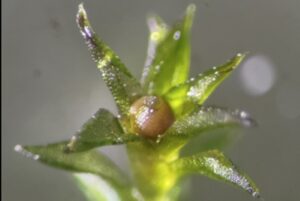
A Hokkaido University research team discovered that Earth moss, Physcomitrium patens, exhibited remarkable survival abilities in space after being exposed to extreme conditions on the International Space Station for nine months. The moss's spores showed high tolerance to UV radiation and extreme temperatures, with 80% remaining alive and capable of germination. This resilience could have implications for future space colonization, with potential applications in food, fuel, and material systems, as well as advancements in space agriculture.
Insight: The study highlights the potential of ancient Earth organisms like moss to support sustainable human colonies in extraterrestrial environments, paving the way for new research in space agriculture and ecosystem construction.
This article was curated by memoment.jp from the feed source: The Debrief.
Read the original article here: https://thedebrief.org/astronauts-placed-an-extreme-earth-organism-in-outer-space-nine-months-later-it-was-still-alive/
© All rights belong to the original publisher.